

When someone experiences cardiac arrest, every second counts. Cardiopulmonary resuscitation (CPR) is often the critical intervention that can mean the difference between life and death. The typical image of CPR often brings to mind chest compressions, but there is another key component: ventilations. While chest compressions alone are beneficial, adding ventilations (or rescue breaths) during CPR significantly increases the chance of survival, especially in cases involving respiratory issues or prolonged cardiac arrest. Here’s why.
Understanding Cardiac Arrest
Cardiac arrest occurs when the heart suddenly stops beating effectively, leading to a halt in blood flow to vital organs, particularly the brain. Without oxygenated blood, brain cells begin to die within minutes, which is why prompt CPR is essential. The primary goal of CPR is to maintain circulation and preserve life until professional medical help arrives. Chest compressions circulate blood manually by pressing on the chest, but ventilations add oxygen to the bloodstream, which is crucial for sustaining vital organ function.
The Role of Ventilations in CPR
When a person goes into cardiac arrest, their body may still contain some oxygen in the blood. However, that oxygen will be quickly depleted without replenishment. Ventilations deliver fresh oxygen to the lungs, ensuring that the blood circulating through chest compressions remains oxygen-rich. This oxygenated blood is then pumped to the brain and other critical organs, increasing the likelihood of survival and reducing the chance of brain damage.
For cardiac arrest victims who have also suffered respiratory failure (such as those who drowned, experienced drug overdose, or suffocated), ventilations are particularly important. In these scenarios, there is often little to no oxygen available in the blood, meaning that chest compressions alone would circulate oxygen-poor blood, which could be less effective in preserving organ function.
Evidence Supporting Ventilations in CPR
Research shows that combining chest compressions with ventilations offers better outcomes for many cardiac arrest victims, especially when the arrest is caused by non-cardiac factors such as respiratory issues. According to the American Heart Association (AHA), traditional CPR (including both chest compressions and ventilations) improves survival rates in cases involving children, infants, and adults where the arrest is related to a lack of oxygen.
In comparison, hands-only CPR (compressions without ventilations) has been shown to be effective in witnessed cardiac arrest events that are likely to be heart-related, such as those caused by a heart attack in adults. But in scenarios where oxygen depletion is involved, such as drowning or prolonged cardiac arrest, ventilations are necessary to give the victim the best chance of survival.
How Ventilations Work in CPR
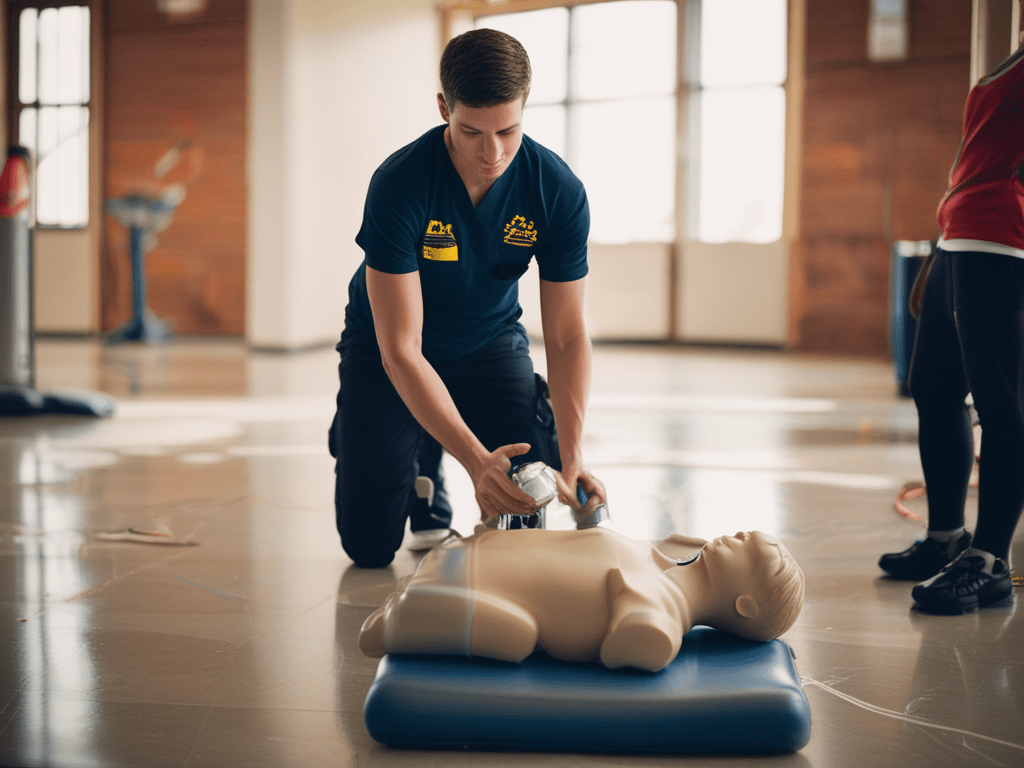
During ventilations, the rescuer provides breaths by sealing their mouth over the victim’s mouth and delivering air into the lungs or using a barrier device like a pocket mask or bag-valve mask (BVM). Each breath should be given over one second, watching for the chest to rise, indicating the lungs are inflating. Proper technique ensures that oxygen is effectively delivered without over-inflating the lungs, which can cause complications.
In two-rescuer CPR, the task of providing ventilations is typically alternated with chest compressions. The ratio commonly used is 30 compressions to 2 breaths for adults, with modifications for children and infants. By alternating between compressions and ventilations, rescuers help maintain both circulation and oxygenation, greatly improving the chances of reviving the heart and preventing severe brain damage.
Conclusion: A Balanced Approach Saves Lives
While hands-only CPR is a lifesaving option, particularly in out-of-hospital sudden cardiac arrest events, incorporating ventilations during CPR provides critical oxygenation that is often necessary for survival, particularly in cases involving respiratory failure. For this reason, learning how to effectively deliver ventilations, in addition to chest compressions, is an essential skill for both lay rescuers and healthcare providers.
By mastering full CPR with both compressions and ventilations, you can make a profound difference in a life-threatening emergency, increasing the victim’s chance of survival and reducing the risk of permanent damage. Whether you’re performing CPR on an adult, child, or infant, never underestimate the power of giving ventilations during cardiac arrest—sometimes, a breath can be just as important as a beat.
#certificationsforlifeinc #toparcprovider #toparcinstructors #bestemergencytrainingschool #learningtosavealifetoday #cpraedfatraining #blscpraedfatraining #babysitterstraining #bestsmallbusinessNJ #redcross #savinglives #drowningprevention #savealife #cpr #lifeguard #lifeguardlife #lifeguardtraining #AHAtraining #heartcodeBLS #Americanheartassociation #championsofcpraedfatraining
 Certifications For Life Inc.