

What are DNR’s
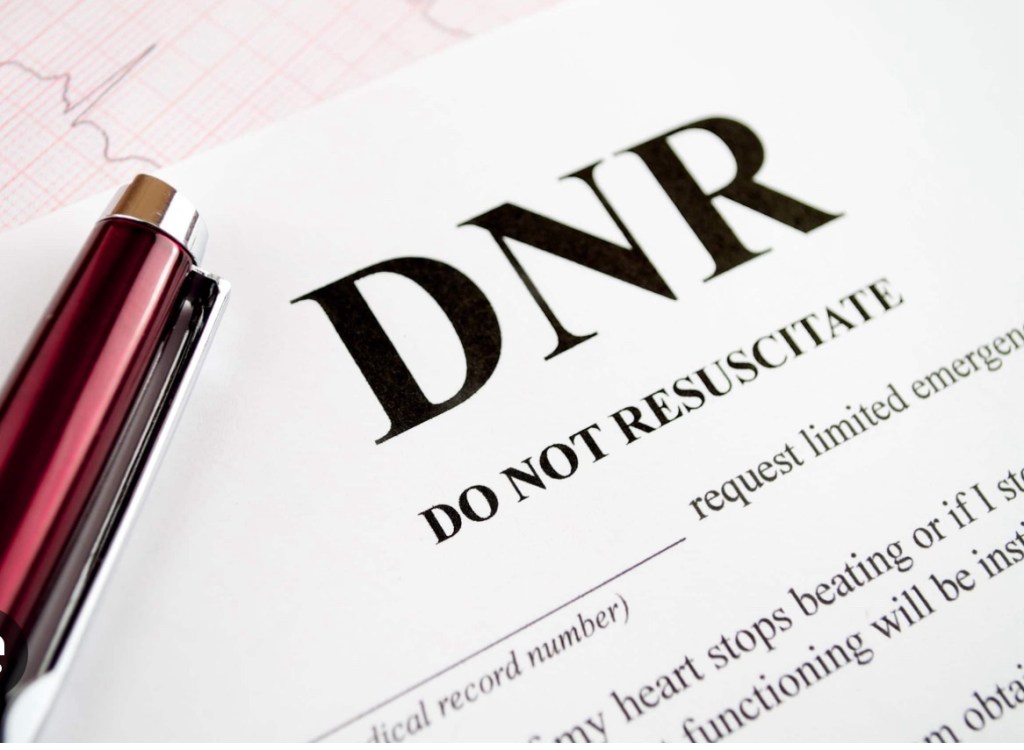
When it comes to medical care, especially in emergencies, the decisions we make can have profound impacts on our lives and the lives of our loved ones. One such critical decision is whether or not to implement a Do Not Resuscitate (DNR) order. Understanding what a DNR is, when it might be used, and the implications of such a decision is crucial for anyone facing serious medical conditions or planning for future healthcare needs.
What is a DNR?
A Do Not Resuscitate (DNR) order is a legal document that instructs healthcare providers not to perform cardiopulmonary resuscitation (CPR) or other life-saving measures if a person’s heart stops beating or if they stop breathing. This order is typically made by a patient or their legal representative, often in consultation with a physician.
DNR orders are specifically focused on situations where the patient’s heart or breathing stops and do not affect other medical treatments, such as pain management, medications, or nutrition. They are part of a broader category of advance directives that allow individuals to express their healthcare preferences in advance.
Why Might Someone Choose a DNR?
The decision to implement a DNR order is deeply personal and can be influenced by various factors, including:
- Medical Conditions: Individuals with terminal illnesses, advanced age, or chronic health issues may choose a DNR to avoid prolonged suffering or to maintain dignity in their final moments.
- Quality of Life: Some may decide that the potential outcomes of CPR, such as brain damage, broken ribs, or extended dependence on life-support, are not in line with their desired quality of life.
- Personal Beliefs: Religious or philosophical beliefs about death, life support, and the nature of medical intervention can also play a significant role in the decision to implement a DNR.
- Past Experiences: Previous experiences with medical care, whether personal or witnessed in loved ones, can inform an individual’s views on resuscitation and aggressive medical treatments.
Legal and Ethical Considerations
A DNR order is a legally binding document that must be respected by healthcare providers. However, the specifics of how DNR orders are implemented can vary by jurisdiction, so it is essential to understand the laws in your area.
In many places, DNR orders can be included as part of a broader advance directive, which may also cover other end-of-life decisions, such as the use of mechanical ventilation, tube feeding, and more. It’s important to discuss your wishes with your healthcare provider, family members, and legal representatives to ensure your intentions are clearly understood and honored.
Ethically, DNR orders bring up challenging questions about the balance between preserving life and respecting an individual’s autonomy. Medical professionals often face difficult situations where they must weigh the potential benefits of resuscitation against the patient’s expressed wishes and overall prognosis.
How to Set Up a DNR
If you or a loved one is considering a DNR, here are some steps to take:
- Discuss with Your Doctor: Start by having a detailed conversation with your physician. They can explain the implications of a DNR and help you understand what it means for your specific medical situation.
- Consider All Options: Take the time to think through your choices, including the potential consequences of resuscitation and the alternatives to a DNR.
- Legal Documentation: Once you’ve made a decision, it’s important to complete the necessary legal paperwork. This may include signing a DNR form and ensuring it’s included in your medical records.
- Communicate with Family: Make sure your family members and close friends are aware of your decision. This can help avoid confusion or conflict during a medical emergency.
- Update as Needed: Your preferences may change over time, so it’s important to review and update your DNR or advance directives regularly.
Myths and Misconceptions
There are several common misconceptions about DNR orders that can create confusion:
- DNR Means No Treatment: A DNR order only applies to resuscitation efforts. It does not mean that a patient will be denied other forms of care or comfort measures.
- DNR is Permanent: A DNR can be revoked or updated at any time. If circumstances change, so can the DNR order.
- DNR is Only for the Elderly: While DNR orders are often associated with older adults, anyone can choose to have a DNR in place if they feel it aligns with their healthcare goals.
Conclusion
DNR orders are a critical component of healthcare planning, particularly for those facing serious illness or end-of-life decisions. Understanding what a DNR entails, considering your own values and wishes, and communicating clearly with your healthcare team and loved ones can help ensure that your choices are respected when it matters most. Making informed decisions about a DNR is not just about planning for the worst—it’s about ensuring that your voice is heard, and your dignity is preserved, even in difficult times. #certificationsforlifeinc #toparcprovider #toparcinstructors #bestemergencytrainingschool #learningtosavealifetoday #cpraedfatraining #blscpraedfatraining #babysitterstraining #bestsmallbusinessNJ #redcross #savinglives #drowningprevention #savealife #cpr #lifeguard #lifeguardlife #lifeguardtraining #AHAtraining #heartcodeBLS #Americanheartassociation #championsofcpraedfatraining
 Certifications For Life Inc.