

Highlighting the Hero: Gail Reiss’s Inspiring CPR Training and Rescue Story

At Certifications For Life Inc., we are constantly inspired by the individuals who step up in life-threatening emergencies, putting their CPR and AED training to the ultimate test. One such hero is Gail Reiss, a registered nurse whose remarkable story serves as a reminder of the life-saving power of quick action and regular training.

Pickleball Player Saves a Life

Gail shared an incredible story about a day on the pickleball court that took an unexpected turn. While playing, a man collapsed suddenly, going into cardiac arrest. Gail, alongside other responders—including another nurse—immediately stepped in. They administered CPR and used an AED until paramedics arrived. Thanks to their swift response, the man recovered and later expressed his heartfelt gratitude to his rescuers.

Justin, our President and Founder, praised Gail’s bravery and composure during this high-pressure situation. He also emphasized the importance of taking action immediately during emergencies, noting that every second counts in cardiac arrest cases. Gail’s advice to others? Stay hydrated, check with your doctor before engaging in high-energy activities like pickleball, and always be prepared to act.


CPR Training: A Lifeline at Work

Gail also recounted a workplace incident where her CPR training saved a colleague’s life. When the colleague suffered a heart attack, Gail quickly performed CPR, stabilizing him until EMTs arrived to provide further care. The colleague regained consciousness after receiving oxygen, thanks to Gail’s quick thinking and training.

Reflecting on the incident, Gail shared her gratitude for her CPR certification, which gave her the skills and confidence to act decisively in a critical moment.


The Importance of Regular CPR Training

In her conversation with Justin, Gail highlighted the importance of keeping CPR skills up to date. Even as a registered nurse, she takes CPR training courses regularly to ensure she’s ready for emergencies. Gail suggested that training programs should include more practical observation to ensure participants fully understand the procedures.

Justin and Gail both stressed the need for widespread CPR and AED training to increase survival rates during cardiac emergencies. Justin also pointed out the importance of recognizing early signs of respiratory distress to prevent cardiac arrest.


Raising Awareness and Sharing the Message

Inspired by Gail’s courage and determination, Justin plans to share her story across social media platforms like Facebook and LinkedIn. The goal is to raise awareness about the importance of CPR training and AED availability and to inspire others to get certified.

Gail’s story is a powerful testament to the fact that anyone can make a difference in a life-or-death situation with the right training and mindset.


Take the First Step: Get Certified

Gail’s experiences underscore why CPR training is not just a skill but a responsibility we all should consider. Whether you’re a healthcare professional, an athlete, or simply someone who wants to be prepared, certification can give you the tools to save a life.

💡 Want to be ready when it matters most? Enroll in a CPR/AED training course today and join the movement to save lives.

#CPRSavesLives #HeroSpotlight #AEDTraining #EverySecondCounts #CertificationsForLife
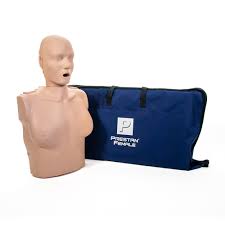
Incorporating Female Chest Anatomy in CPR Training

At Certifications For Life Inc., we are committed to providing the most comprehensive and inclusive training possible. As part of this mission, we’ve made the important decision to incorporate female chest anatomy into our CPR classes. This change not only reflects real-world scenarios but also addresses critical gaps in emergency response training.

Here’s why we made this change and how it benefits our participants and the communities they serve.


1. Addressing Real-World Challenges

In cardiac emergencies, time is critical, and every second counts. However, studies have shown that bystanders are less likely to perform CPR on women than men. One contributing factor is discomfort or uncertainty about performing chest compressions on individuals with breasts. By introducing manikins with female chests, we aim to:

  • Normalize Performing CPR on All Individuals: Training on anatomically accurate manikins helps participants build confidence and overcome hesitations related to gender or anatomy.
  • Reduce Gender Disparities in CPR: Providing practice on female chest models encourages equitable treatment during emergencies, potentially increasing survival rates for women.

2. Improving Training Realism

Realistic training is key to building the skills and confidence needed to perform CPR effectively. Incorporating female chest anatomy into our classes ensures that participants are prepared for a wide range of scenarios, including:

  • Anatomical Differences: Participants learn to adjust their hand placement and compression technique to account for anatomical variations, ensuring proper depth and effectiveness.
  • Awareness of Barriers: The presence of breasts can sometimes make locating landmarks, such as the sternum, more challenging. Practicing on realistic models helps participants navigate these nuances with ease.

3. Breaking Down Stigmas and Discomfort

Social and cultural stigmas around touching female chests can create hesitation during emergencies. By introducing female chest manikins into our classes, we provide a safe and professional environment for participants to:

  • Address Concerns Openly: Instructors can guide participants through any questions or discomfort, promoting a greater understanding of the importance of CPR for everyone.
  • Reinforce the Focus on Saving Lives: Training emphasizes that gender or anatomy should never prevent someone from receiving life-saving assistance.

4. Enhancing Inclusivity in Training

Our decision to include female chest anatomy in CPR classes aligns with our commitment to inclusivity and representation. By doing so, we:

  • Acknowledge Diverse Bodies: Recognizing and addressing anatomical differences makes our training more inclusive for all participants.
  • Set a New Standard in CPR Education: By expanding the scope of our training, we ensure that participants are better prepared to respond to emergencies in their communities.

5. Preparing for All Scenarios

Emergencies are unpredictable, and rescuers must be ready to act in any situation. By practicing on manikins with both male and female anatomy, participants gain:

  • Comprehensive Skill Development: Familiarity with different chest anatomies ensures rescuers can provide effective CPR regardless of the victim’s gender.
  • Increased Confidence: Hands-on practice eliminates uncertainty and hesitation, empowering participants to act decisively.

Final Thoughts

Adding female chest anatomy to our CPR classes is a step toward creating more equitable and effective emergency response training. By addressing gender disparities, breaking down stigmas, and improving realism, we’re ensuring our participants are fully prepared to save lives, no matter the circumstances.

At Certifications For Life Inc., we believe that everyone deserves the best chance of survival during a cardiac emergency. Join us in making a difference—sign up for a CPR class today and become part of the change. Together, we can save more lives. #certificationsforlifeinc #toparcprovider #toparcinstructors #bestemergencytrainingschool #learningtosavealifetoday #cpraedfatraining #blscpraedfatraining #babysitterstraining #bestsmallbusinessNJ #redcross #savinglives #drowningprevention #savealife #cpr #lifeguard #lifeguardlife #lifeguardtraining #AHAtraining #heartcodeBLS #Americanheartassociation #championsofcpraedfatraining