What Every Lifeguard Wishes Every Swimmer Knew

As lifeguards, we’re trained to respond to emergencies, act quickly under pressure, and protect lives around the water. But here’s the truth: the best rescue is the one that never needs to happen.

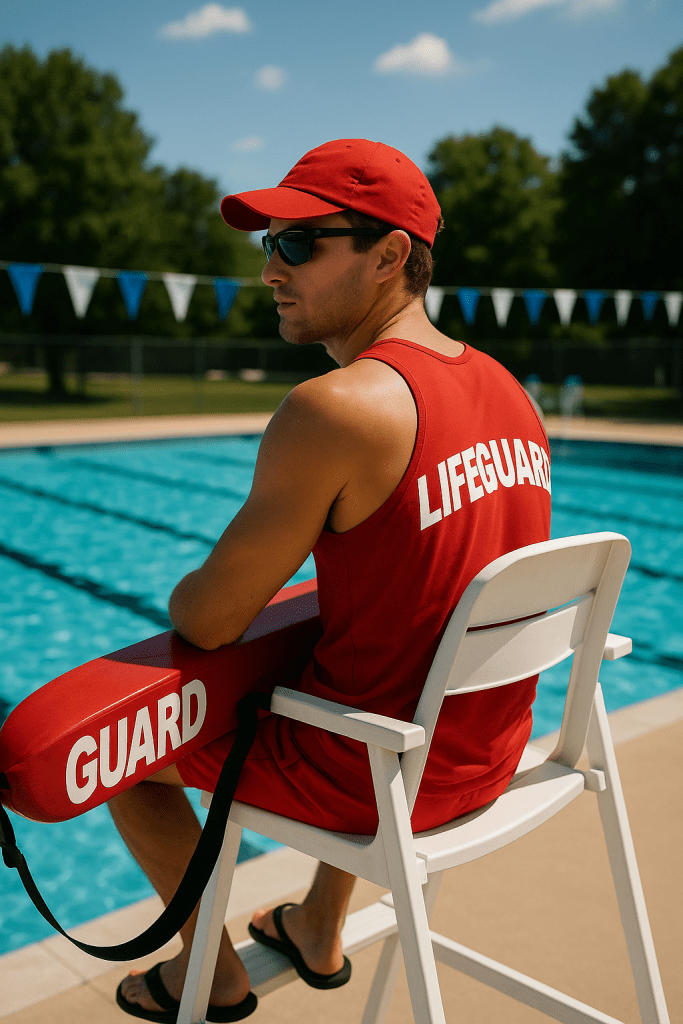
Most swimmers only see us as the person in the red suit, perched high on a lifeguard chair, scanning back and forth. But behind the whistle and sunglasses, we’re constantly assessing risks, preventing accidents, and watching for signs that something’s not right. And over the years, we’ve come to realize there are a few key things every swimmer should understand—things that could make the water safer, more enjoyable, and a lot less stressful for everyone.

Here’s what every lifeguard wishes every swimmer knew:

1. We’re Not Just Watching You—We’re Watching Everyone

When we scan, we’re trained to cover the entire zone of the pool or waterfront in seconds. That means we might not make eye contact with you every time, but trust us, we see you. And yes, we notice when you’re climbing the slide the wrong way or trying to sneak a dive in the shallow end. It’s not personal—we’re watching out for everyone.

2. “I Know How to Swim” Doesn’t Make You Invincible

Even strong swimmers get tired, overestimate their ability, or suffer cramps. Drowning can happen quickly and silently—even to confident adults. Respect the water, never swim alone, and understand that “I’m a good swimmer” isn’t a free pass to ignore rules or push your limits.

3. Your Child Isn’t as Safe as You Think They Are

One of the most heartbreaking truths lifeguards face is that parents often overestimate their child’s ability in the water. “She knows how to swim” doesn’t mean she can handle deep water, strong currents, or unexpected slips. Arm floaties, pool noodles, and inner tubes are not life-saving devices. Active supervision is crucial—yes, even if there’s a lifeguard on duty.

4. Drowning Doesn’t Look Like the Movies

There’s no splashing, no yelling, no flailing. Real drowning is quiet. Victims often slip under the water without a sound. That’s why we don’t appreciate distractions—phones, long conversations, or turning your back to the pool. It only takes seconds.

5. Listen the First Time

If a lifeguard asks you to stop running, get out of the deep end, or wear a life jacket—it’s not to ruin your fun. It’s because we’ve seen what happens when those rules are broken. Lifeguards aren’t babysitters or bad guys—we’re here to keep you safe. And when we speak up, it’s because something is potentially dangerous, not because we want to nag.

6. Help Us Help You

We’re trained to act fast—but you can help us even more. Know your limits. Stay where you’re comfortable. Learn basic water safety and CPR. If you see something concerning, say something. And teach your kids to treat lifeguards with the same respect they’d give a firefighter or police officer—we’re first responders too.

7. The Best Swimmers Know When to Get Out

Whether it’s lightning in the distance, waves getting too rough, or just feeling tired—it’s okay to call it a day. Knowing when to get out is a mark of a smart swimmer, not a weak one.

8. We’re Human Too

We care deeply, we stress about every close call, and we carry the weight of the lives we’re responsible for. We train constantly, stay alert for hours, and sometimes go home wondering if we could have done more. A smile, a thank-you, or a little patience goes a long way.

Final Thoughts:

Lifeguards are the last line of defense, not the first. The most powerful water safety tool will always be you—your choices, your awareness, and your respect for the environment. When we work together, we can keep the water safe, fun, and life-changing for all the right reasons.

So the next time you head to the pool, beach, or lake, take a moment to remember what your lifeguard already knows—and what they wish you did too. It could save a life. Maybe even yours.

Stay safe out there. 💦
Why In-Service Training Is Crucial for Lifeguards After Certification

When lifeguards complete their initial certification, they’ve taken a major step toward becoming a vital part of aquatic safety. However, passing a certification course is just the beginning. To stay sharp, confident, and ready for real emergencies, lifeguards must continue to train—regularly and intentionally—through in-service training.

At Certifications For Life Inc., we believe that consistent in-service training isn’t optional—it’s essential. Here’s why ongoing training after certification matters so much.

1. Skill Retention Requires Repetition

Certification courses cover a lot of material in a short amount of time. Without regular review and practice, even highly motivated lifeguards can forget key rescue techniques, CPR protocols, or spinal injury management steps. In-service training provides the structured repetition needed to reinforce these lifesaving skills.

2. Emergency Response Is a Muscle—It Needs Exercise

In an emergency, there’s no time to second-guess. Lifeguards must respond quickly, calmly, and correctly. In-service training creates muscle memory and mental preparedness, which helps reduce hesitation and increase confidence under pressure.

3. Realistic Practice Builds Confidence

Many in-service sessions include simulated rescues, team-based drills, and scenario-based problem-solving. These realistic situations allow lifeguards to practice how they’d actually respond at their specific facility. Practicing where you work—using your equipment, your pool layout, and your team—is a game changer.

4. Teamwork Is Strengthened Through Drills

Lifeguarding is rarely a solo job. Strong communication, clear role assignments, and seamless transitions during an emergency are all built through team-based practice. In-service training strengthens the bond between guards and supervisors, reinforcing trust and accountability.

5. Scanning and Rotation Practice Prevents Complacency

Even the most skilled lifeguards can miss something if they’re not actively engaged in proper scanning techniques. In-service training should regularly include practice on effective scanning methods—such as the 10/20 rule, scanning zones, head movement, and posture. Additionally, lifeguards must train on safe and efficient rotations, ensuring there’s never a lapse in coverage during a change of position. These skills help combat fatigue, distraction, and complacency—three common threats to water safety.

6. Policies, Equipment, and Protocols Change

From CPR guidelines to facility-specific emergency action plans (EAPs), policies and procedures evolve. In-service training is the best way to keep staff up-to-date. It also gives managers a chance to assess staff readiness and address any gaps before they become liabilities.

7. Training Reinforces Professionalism

Lifeguards who train regularly project a strong sense of professionalism and discipline. They recognize that being a lifeguard isn’t just a summer job—it’s a responsibility that involves protecting lives. In-service training helps maintain that serious mindset throughout the season.

8. Compliance with Industry Standards

Many state and national organizations—including the American Red Cross and the Model Aquatic Health Code—recommend or require regular in-service training for certified lifeguards. Keeping up with these standards helps facilities remain in compliance and avoid legal risk.

What Should In-Service Training Include?

Effective in-service training should be frequent, focused, and practical. Sessions often include:

CPR/AED and first aid refreshers Spinal injury management Active and passive drowning scenarios Rescue tube and backboard practice Emergency Action Plan (EAP) drills Guest interaction and crowd control techniques Emergency communication protocols Scanning drills and rotation walk-throughs

Each session doesn’t have to be long—15 to 30 minutes once a week can make a big impact when done consistently.

Certifications For Life Inc. Can Help

We don’t just certify lifeguards—we support them year-round. Whether your team needs help creating a seasonal in-service training calendar, running skill evaluations, or updating EAPs, our instructors and lifeguard instructor trainers are ready to assist.

In-service training isn’t extra—it’s essential. Let’s work together to build a culture of safety, confidence, and competence in your aquatics program.

📞 Call or text us at 732-307-4241

🌐 Learn more at www.certificationsforlifeinc.com

Your facility is only as strong as your team. And your team is only as strong as their training.

Water Safety Tips Every Parent Should Know Around Pools

As temperatures rise, so does the excitement of pool season—but so should our awareness. Whether it’s a backyard pool, a community center, or a vacation resort, water can be a source of endless fun and hidden danger, especially for children. Drowning remains one of the leading causes of accidental death in children under 5, and it can happen silently and quickly—in as little as 30 seconds.

At Certifications For Life Inc., we believe that safety starts at home and with the people who care most: parents. Here are essential water safety tips to help keep your kids safe and confident around pools this summer and beyond.

🔑 1. Supervision is Non-Negotiable

No floaties, swim skills, or pool rules can replace a watchful eye. Always maintain active supervision. That means putting your phone away, avoiding distractions, and keeping your eyes on your child at all times—especially if they’re under 10.

Tip: Designate a “Water Watcher” during parties. This adult is responsible for monitoring swimmers and switches out every 15–30 minutes.

👶 2. Teach Water Boundaries Early

Before your child ever jumps in, they should understand that they must never enter the water without an adult’s permission—no matter how confident they are.

Use consistent phrases like: “We wait for a grown-up before we go in,” and model the behavior yourself.

🏊 3. Invest in Swim Lessons

Swimming is more than fun—it’s a life-saving skill. Enroll your child in age-appropriate swim lessons early. Research shows that formal swim instruction can significantly reduce the risk of drowning in young children.

Not sure where to start? Certifications For Life Inc. can share a list of trusted businesses and instructors who specialize in teaching both children and adults how to swim. Whether you’re looking for group lessons, private instruction, or adaptive swim programs, we’re happy to connect you with the right resources in your area.

Look for certified instructors who create a safe, structured, and confidence-building experience in and around the water.

🚪 4. Secure Your Pool Area

A secure pool is a safe pool. If you have a backyard pool:

Install a four-sided fence at least four feet high with a self-latching gate. Use a pool alarm or cover when it’s not in use. Keep toys and floats out of the water when not swimming—they attract curious kids.

🧠 5. Learn CPR and First Aid

Accidents happen fast. Being trained in CPR and basic first aid can make the difference between life and death while waiting for emergency services.

Certifications For Life Inc. offers American Red Cross and American Heart Association CPR/AED classes—perfect for parents, babysitters, and caregivers.

⏰ 6. Take Breaks and Hydrate

Kids can become fatigued quickly, especially under the sun. Encourage regular rest and hydration. Exhaustion or overheating can affect their ability to stay afloat or react properly in the water.

Remember the 10/20 rule: Take a 10-minute break every 20 minutes of swimming.

⚠️ 7. Talk About Water Safety Often

Make safety a regular conversation. Role-play “what-if” situations, like what to do if someone else falls in, or if they feel tired while swimming.

Practice skills like floating on their back, calling for help, and swimming to the wall.

💬 Final Thoughts

Water safety doesn’t take a break. With the right tools, supervision, and preparation, parents can turn pool time into not just fun—but safe—memories.

Stay safe, stay alert, and enjoy the water responsibly.

If you’re interested in CPR training, private swim instruction, or lifeguard certification, reach out to our team at Certifications For Life Inc. We’re here to help you protect what matters most.

📧 Want to host a private CPR class for your family or neighborhood?

Email us at info@certsforlife.net or visit www.certsforlife.net to learn more.

Stay safe and swim smart! 🌊

Why CPR Training on the Ground Matters—Even in Facilities with Medical Beds

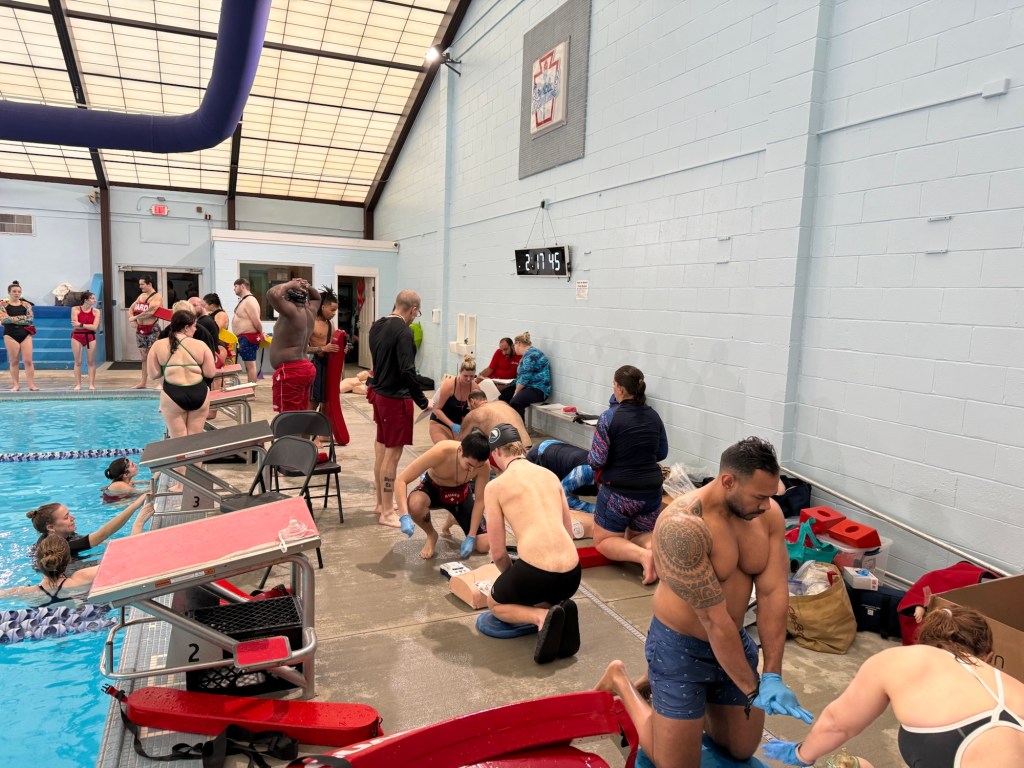
CPR on the ground

When it comes to CPR training, realism matters. In medical or care facilities, it’s common to practice on beds or elevated surfaces because that’s where many emergencies happen. However, limiting training to these scenarios overlooks a critical truth: emergencies are unpredictable. That’s why every CPR class—whether it’s for healthcare providers, first responders, or general staff—should include hands-on practice of CPR on the ground.

Real-World Emergencies Don’t Happen in Controlled Settings

In a perfect world, every cardiac arrest would occur in a fully equipped room, with ample staff, an adjustable hospital bed, and all the tools needed at arm’s reach. But in reality, patients collapse in hallways, bathrooms, stairwells, parking lots, or in their own homes. Even within a medical facility, responders often need to act quickly before a patient can be safely transferred to a bed.

Practicing CPR on the ground prepares participants for these unpredictable, uncontrolled scenarios. It builds confidence in positioning, airway management, and compression technique when there’s no elevation or support under the patient. It also helps responders experience the physical demands of kneeling and sustaining compressions in a more realistic setting.

Improved Compression Quality

High-quality compressions are the foundation of effective CPR. Studies show that surface firmness significantly affects compression depth and recoil. Beds—especially hospital beds with mattresses—can absorb force and reduce the effectiveness of compressions unless a backboard is used. Practicing on the floor ensures participants get a feel for proper depth, rhythm, and body mechanics without these variables.

Builds True Readiness

Training on a bed alone can create a false sense of security. It assumes a patient is always neatly positioned and accessible. Practicing on the floor trains participants to adapt—to quickly assess space, reposition a patient, and start CPR without hesitation. This kind of readiness can be the difference between hesitation and immediate action in a life-threatening situation.

Encourages Teamwork and Safe Movement

Learning how to move a patient safely from a bed to the floor (or vice versa) is a valuable skill in itself. Ground-based training encourages communication and planning, teaching participants to work as a team under pressure. It also highlights potential barriers—tight corners, limited space, or mobility issues—that teams can troubleshoot in advance during drills.

The Bottom Line

CPR training should reflect reality. Even in a fully equipped facility with hospital beds, incorporating ground-based CPR practice is essential. It improves confidence, technique, and readiness for the moments that truly count.

At Certifications For Life Inc., we ensure every participant learns to perform CPR on the ground because when emergencies strike, there’s no time to adjust. There’s only time to act.

#CPRTraining #RealLifeReadiness #EmergencyPreparedness #CPRSavesLives #HandsOnlyCPR #MedicalTraining #OnTheGroundCPR #LifesavingSkills #HealthcareEducation #FirstResponderTraining #CertificationsForLife #TrainForReality

How We Set You Up For Success In American Red Cross Lifeguard Training

At Certifications For Life Inc., we believe that quality training leads to confident, capable lifeguards—and that success starts with the right environment, the right instructors, and the right support.

Here’s how we prepare every participant to succeed in our American Red Cross Lifeguard Certification courses:

1. The Right Instructor-to-Participant Ratio Makes a Big Difference

We keep our class sizes with the recommended instructor-to-participant ratio so every trainee gets the attention they deserve. This allows for more personalized coaching, extra practice when needed, and meaningful connections with our trainers.

Our participants don’t just learn from our instructors—they get to know them. This relationship builds trust, encourages open communication, and creates a comfortable space to ask questions and gain deeper understanding.

2. We Create a Hands-On, Real-World Learning Experience

From in-water rescues to CPR and spinal injury management, our classes are packed with realistic, scenario-based training. We make sure participants don’t just memorize procedures—they practice them until they’re second nature.

3. We Prioritize Confidence and Competence

Our goal isn’t just for you to pass the certification—it’s for you to feel prepared. We provide constructive feedback throughout the course, helping participants build both skill and confidence so they can act quickly and effectively when it counts.

4. We Are Proud to Be ADA Compliant

We are committed to making our lifeguard training accessible to everyone. Our training facilities and teaching methods are ADA compliant, and we make every reasonable accommodation to ensure that all participants—regardless of ability—can succeed and feel supported throughout their training experience.

5. We Don’t Just Certify—We Equip Lifeguards to Lead

Our instructors are experienced aquatic professionals who care deeply about preparing the next generation of lifeguards. Whether you’re entering your first summer on the stand or recertifying after years in the field, we’re here to support your growth, confidence, and readiness to respond.

Ready to take the next step?

View our upcoming lifeguard classes and register today at

www.certificationsforlifeinc.com

#LifeguardTraining #CertificationsForLife #RedCrossLifeguard #ADACompliantTraining #TrainToSaveLives

Why American Red Cross Lifeguard Training Should Be at Least Three Days Instead of Two

When it comes to lifeguard training, quality and retention of skills matter far more than just checking off requirements. The American Red Cross Lifeguard Training program is already a rigorous and intensive course, but the trend of condensing it into a two-day format often sacrifices the long-term retention of crucial lifesaving skills. Extending the training to at least three days provides a more comprehensive learning experience, ensuring that lifeguards leave the class prepared, confident, and truly ready to respond in emergencies.

Better Skill Retention Through Reinforcement

Lifeguarding requires mastering a wide range of complex skills, including in-water rescues, spinal injury management, CPR/AED use, and teamwork under pressure. These skills are best learned through repetition and hands-on practice—not rushed through in a compressed schedule.

• Spaced Learning Improves Memory: Studies show that learning retention improves when information is spread over multiple days rather than crammed into a short period. A three-day class allows for skill reinforcement and application, making it more likely that lifeguards will remember what they’ve learned when they need it most.

• Muscle Memory Development: Lifeguards must perform rescues instinctively, often under high-stress conditions. More in-water practice time ensures that skills become second nature, improving reaction times in real-life emergencies.

Reduced Fatigue Leads to Better Performance

A two-day format often results in long, exhausting training days that can be physically and mentally draining. This fatigue negatively impacts learning and skill retention.

• Cognitive Overload: Too much information crammed into a short time can overwhelm students, making it harder for them to absorb and retain essential techniques.

• Physical Endurance Matters: Lifeguarding is physically demanding, and practicing these skills while fatigued can lead to improper technique and decreased confidence. Spreading the training over three days allows participants to stay fresh and perform at their best.

A More Engaging and Enjoyable Learning Experience

A rushed course can feel stressful and overwhelming, making it harder for participants to engage fully in the training. A three-day class allows for:

• More Hands-On Practice: More time means more opportunities to refine techniques, ask questions, and build confidence.

• Stronger Teamwork Development: Lifeguarding is not a solo job. Extra time in the course gives participants the chance to develop better communication and coordination with their team.

• Deeper Understanding of Emergency Scenarios: A relaxed schedule allows instructors to go beyond the basics and discuss real-life scenarios, reinforcing decision-making skills.

Challenges in Offering Longer Courses

While a three-day format is ideal, not all training providers are able to offer extended courses due to facility restrictions and scheduling obstacles. Some of the challenges include:

• Limited Pool and Classroom Availability: Many facilities, such as community pools and aquatic centers, have tight schedules that must accommodate public swim hours, swim teams, and other programs. This makes it difficult to secure enough consecutive days for a longer course.

• Instructor Scheduling Conflicts: Lifeguard instructors often juggle multiple roles, including working as aquatics directors, managers, or full-time lifeguards. Finding instructors available for three full days can be a challenge.

• Participant Availability: Many students, particularly high school and college-aged lifeguards, have limited availability due to school, sports, or work commitments, making it harder to schedule longer classes.

Despite these challenges, providers who prioritize high-quality training and find ways to offer extended courses are giving their lifeguards a significant advantage in skill retention and real-world preparedness.

Better Prepared Lifeguards Save More Lives

At the end of the day, lifeguard training isn’t just about passing a test—it’s about ensuring that every certified lifeguard is prepared to save lives. A three-day format provides:

• More Time for Assessment: Instructors can spend more time evaluating skills, ensuring that each candidate is truly ready for real-world situations.

• Increased Confidence in Graduates: Lifeguards who feel well-trained and prepared are more likely to respond effectively in emergencies.

Final Thoughts

The goal of lifeguard training isn’t just certification—it’s preparation. While scheduling and facility challenges may limit some providers to offering two-day courses, a three-day format allows for better skill retention, less fatigue, and a more engaging learning experience. When the responsibility is this high, we owe it to our future lifeguards—and the people they protect—to provide the best possible training.

Are you ready to train like a lifesaver? Choose a course that prioritizes skill mastery and real-world readiness.

Please note that this is my professional opinion on how Lifeguard Training courses should be organized and administered. There are organizations that feel that 2 days is more appropriate. I think about the course objectives and opportunities to allow our course participants to feel confident in their skills. My goal is for lifeguards to feel confident and ready to go as they sit on their stands.

#certificationsforlifeinc #toparcprovider #toparcinstructors #bestemergencytrainingschool #learningtosavealifetoday #cpraedfatraining #blscpraedfatraining #babysitterstraining #bestsmallbusinessNJ #redcross #savinglives #drowningprevention #savealife #cpr #lifeguard #lifeguardlife #lifeguardtraining #championsofcpraedfatraining

Highlighting the Hero: Gail Reiss’s Inspiring CPR Training and Rescue Story

At Certifications For Life Inc., we are constantly inspired by the individuals who step up in life-threatening emergencies, putting their CPR and AED training to the ultimate test. One such hero is Gail Reiss, a registered nurse whose remarkable story serves as a reminder of the life-saving power of quick action and regular training.

Pickleball Player Saves a Life

Gail shared an incredible story about a day on the pickleball court that took an unexpected turn. While playing, a man collapsed suddenly, going into cardiac arrest. Gail, alongside other responders—including another nurse—immediately stepped in. They administered CPR and used an AED until paramedics arrived. Thanks to their swift response, the man recovered and later expressed his heartfelt gratitude to his rescuers.

Justin, our President and Founder, praised Gail’s bravery and composure during this high-pressure situation. He also emphasized the importance of taking action immediately during emergencies, noting that every second counts in cardiac arrest cases. Gail’s advice to others? Stay hydrated, check with your doctor before engaging in high-energy activities like pickleball, and always be prepared to act.


CPR Training: A Lifeline at Work

Gail also recounted a workplace incident where her CPR training saved a colleague’s life. When the colleague suffered a heart attack, Gail quickly performed CPR, stabilizing him until EMTs arrived to provide further care. The colleague regained consciousness after receiving oxygen, thanks to Gail’s quick thinking and training.

Reflecting on the incident, Gail shared her gratitude for her CPR certification, which gave her the skills and confidence to act decisively in a critical moment.


The Importance of Regular CPR Training

In her conversation with Justin, Gail highlighted the importance of keeping CPR skills up to date. Even as a registered nurse, she takes CPR training courses regularly to ensure she’s ready for emergencies. Gail suggested that training programs should include more practical observation to ensure participants fully understand the procedures.

Justin and Gail both stressed the need for widespread CPR and AED training to increase survival rates during cardiac emergencies. Justin also pointed out the importance of recognizing early signs of respiratory distress to prevent cardiac arrest.


Raising Awareness and Sharing the Message

Inspired by Gail’s courage and determination, Justin plans to share her story across social media platforms like Facebook and LinkedIn. The goal is to raise awareness about the importance of CPR training and AED availability and to inspire others to get certified.

Gail’s story is a powerful testament to the fact that anyone can make a difference in a life-or-death situation with the right training and mindset.


Take the First Step: Get Certified

Gail’s experiences underscore why CPR training is not just a skill but a responsibility we all should consider. Whether you’re a healthcare professional, an athlete, or simply someone who wants to be prepared, certification can give you the tools to save a life.

💡 Want to be ready when it matters most? Enroll in a CPR/AED training course today and join the movement to save lives.

#CPRSavesLives #HeroSpotlight #AEDTraining #EverySecondCounts #CertificationsForLife

Incorporating Female Chest Anatomy in CPR Training

At Certifications For Life Inc., we are committed to providing the most comprehensive and inclusive training possible. As part of this mission, we’ve made the important decision to incorporate female chest anatomy into our CPR classes. This change not only reflects real-world scenarios but also addresses critical gaps in emergency response training.

Here’s why we made this change and how it benefits our participants and the communities they serve.


1. Addressing Real-World Challenges

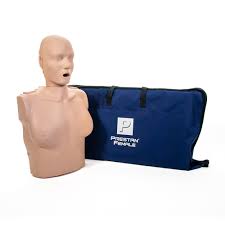
In cardiac emergencies, time is critical, and every second counts. However, studies have shown that bystanders are less likely to perform CPR on women than men. One contributing factor is discomfort or uncertainty about performing chest compressions on individuals with breasts. By introducing manikins with female chests, we aim to:

  • Normalize Performing CPR on All Individuals: Training on anatomically accurate manikins helps participants build confidence and overcome hesitations related to gender or anatomy.
  • Reduce Gender Disparities in CPR: Providing practice on female chest models encourages equitable treatment during emergencies, potentially increasing survival rates for women.

2. Improving Training Realism

Realistic training is key to building the skills and confidence needed to perform CPR effectively. Incorporating female chest anatomy into our classes ensures that participants are prepared for a wide range of scenarios, including:

  • Anatomical Differences: Participants learn to adjust their hand placement and compression technique to account for anatomical variations, ensuring proper depth and effectiveness.
  • Awareness of Barriers: The presence of breasts can sometimes make locating landmarks, such as the sternum, more challenging. Practicing on realistic models helps participants navigate these nuances with ease.

3. Breaking Down Stigmas and Discomfort

Social and cultural stigmas around touching female chests can create hesitation during emergencies. By introducing female chest manikins into our classes, we provide a safe and professional environment for participants to:

  • Address Concerns Openly: Instructors can guide participants through any questions or discomfort, promoting a greater understanding of the importance of CPR for everyone.
  • Reinforce the Focus on Saving Lives: Training emphasizes that gender or anatomy should never prevent someone from receiving life-saving assistance.

4. Enhancing Inclusivity in Training

Our decision to include female chest anatomy in CPR classes aligns with our commitment to inclusivity and representation. By doing so, we:

  • Acknowledge Diverse Bodies: Recognizing and addressing anatomical differences makes our training more inclusive for all participants.
  • Set a New Standard in CPR Education: By expanding the scope of our training, we ensure that participants are better prepared to respond to emergencies in their communities.

5. Preparing for All Scenarios

Emergencies are unpredictable, and rescuers must be ready to act in any situation. By practicing on manikins with both male and female anatomy, participants gain:

  • Comprehensive Skill Development: Familiarity with different chest anatomies ensures rescuers can provide effective CPR regardless of the victim’s gender.
  • Increased Confidence: Hands-on practice eliminates uncertainty and hesitation, empowering participants to act decisively.

Final Thoughts

Adding female chest anatomy to our CPR classes is a step toward creating more equitable and effective emergency response training. By addressing gender disparities, breaking down stigmas, and improving realism, we’re ensuring our participants are fully prepared to save lives, no matter the circumstances.

At Certifications For Life Inc., we believe that everyone deserves the best chance of survival during a cardiac emergency. Join us in making a difference—sign up for a CPR class today and become part of the change. Together, we can save more lives. #certificationsforlifeinc #toparcprovider #toparcinstructors #bestemergencytrainingschool #learningtosavealifetoday #cpraedfatraining #blscpraedfatraining #babysitterstraining #bestsmallbusinessNJ #redcross #savinglives #drowningprevention #savealife #cpr #lifeguard #lifeguardlife #lifeguardtraining #AHAtraining #heartcodeBLS #Americanheartassociation #championsofcpraedfatraining

The Benefits of Becoming an American Red Cross Certified Babysitter with Pediatric CPR and First Aid

Babysitting is more than just a way to earn extra money; it’s a critical responsibility that involves taking care of young children and ensuring their safety. For those looking to take their babysitting skills to the next level, becoming an American Red Cross certified babysitter with pediatric CPR and first aid training offers a range of significant benefits. This certification not only boosts your credibility but also gives you essential skills that could make a life-saving difference.

1. Enhanced Safety for the Children

The top priority for any babysitter is the safety and well-being of the children in their care. Pediatric CPR and first aid training equip you with the knowledge and skills to handle a variety of emergencies, from minor injuries like scrapes and bruises to life-threatening situations like choking or drowning. Knowing how to react in these critical moments can help you remain calm and provide the right care until professional help arrives.

With this certification, parents can trust that their children are in the safest hands possible, making you a more desirable choice for families.

2. Higher Earning Potential

Parents are often willing to pay more for babysitters who have specialized training. Having American Red Cross pediatric CPR and first aid certification sets you apart from other babysitters. It shows that you are not just doing the job for money but have a serious commitment to the children’s safety and care. In competitive markets, this certification can command higher rates for your services, giving you an edge over untrained babysitters.

3. Increased Confidence and Preparedness

Emergencies can happen at any time, and it’s crucial to be prepared. Becoming a certified babysitter means you’ve learned how to assess situations quickly and administer appropriate care, whether it’s performing CPR on a child or applying first aid for burns or fractures. This training instills confidence in your abilities, which helps you remain composed in high-pressure situations.

This confidence can also translate into your overall demeanor as a babysitter, making you more reassuring to both children and their parents.

4. Expanded Knowledge Beyond Basic Care

While basic babysitting skills such as meal prep and entertaining kids are important, Red Cross certification teaches you advanced care techniques. You’ll learn about child behavior, diapering, feeding infants, and basic child development. The inclusion of pediatric CPR and first aid adds another layer to this skill set, allowing you to care for children of all ages, from infants to pre-teens.

This well-rounded approach helps you become a more versatile and trusted babysitter who can handle a wide range of responsibilities.

5. Builds Trust and Credibility

When parents are choosing a babysitter, trust is everything. Having American Red Cross certification on your resume immediately boosts your credibility. Parents feel reassured knowing that their babysitter has undergone professional training in child care, safety, and emergency response. They are more likely to hire someone who has demonstrated a commitment to acquiring life-saving skills.

Displaying your certification also makes you a more reliable option for parents who may require babysitters for longer durations or overnight stays, increasing your chances of getting more consistent work.

6. It’s a Great Foundation for Future Careers

If you’re considering a career in child care, education, or the medical field, being a certified babysitter with CPR and first aid training is a great starting point. These skills are foundational for a variety of professions such as teaching, nursing, or emergency services. The experience you gain through babysitting, paired with your certification, can open doors to internships, volunteer opportunities, and more formal child care roles in the future.

7. Improved Peace of Mind for Parents

One of the most significant benefits of this certification is the peace of mind it provides to parents. Knowing that their babysitter is trained in pediatric CPR and first aid gives parents a sense of security. They know that, in the event of an emergency, their babysitter will take swift, informed action to keep their child safe.

This trust is invaluable and will likely lead to more referrals, as parents spread the word about your qualifications and skills.

Conclusion

Becoming an American Red Cross certified babysitter with pediatric CPR and first aid training offers invaluable benefits. Not only will you gain life-saving skills and increase your earning potential, but you’ll also be better prepared, more confident, and more trusted by parents. This certification provides you with tools that will set you apart in the babysitting world and lay the foundation for future opportunities in child care and beyond.

Why Online-Only CPR Classes Do Not Meet OSHA Requirements

In today’s fast-paced world, the convenience of online learning has made many types of training easily accessible to people. From academic courses to professional certifications, the flexibility of online education is appealing. CPR (Cardiopulmonary Resuscitation) training is no exception. Many organizations offer online-only CPR certification programs, and while these courses can be educational, they do not meet the requirements set by the Occupational Safety and Health Administration (OSHA).

Let’s take a closer look at why online-only CPR classes fall short of OSHA’s standards and what that means for businesses and individuals seeking CPR certification.

OSHA’s Hands-On Training Requirement

OSHA, as part of its mission to ensure safe and healthful working conditions, sets specific guidelines for CPR and First Aid training. The organization clearly states that in order to comply with their regulations, CPR certification courses must include hands-on skills practice. This requirement is crucial because the theoretical knowledge of how to perform CPR is not enough in real-life emergency situations. Knowing the steps and procedures is one thing, but effectively performing those actions requires muscle memory and physical practice.

In an online-only CPR class, learners can watch videos, read materials, and take quizzes, but they lack the real-world practice that helps develop the ability to perform CPR with confidence and accuracy under pressure. Without this hands-on experience, learners might not be able to provide effective CPR in a real-life emergency, which can make all the difference between life and death.

Why Hands-On Training Matters

CPR is a physical skill, and performing chest compressions at the right depth, rate, and force requires proper technique. Online courses might show how it’s done, but learners need feedback from trained instructors to correct any mistakes. Hands-on practice, typically performed on a mannequin, allows trainees to:• Feel the right amount of pressure needed during chest compressions. • Learn to position their hands correctly on the victim’s chest. • Practice rescue breaths and compressions in sync. • Gain confidence in performing CPR, so they’re prepared in a high-stress situation.

This type of tactile learning is essential in mastering the technique. In a real emergency, where adrenaline is pumping and seconds count, having that muscle memory can help individuals respond effectively. Online-only courses simply cannot offer this critical aspect of training.

OSHA-Compliant CPR Certification

For businesses to meet OSHA regulations, they must ensure that their employees are certified through a course that includes both online learning and in-person, hands-on training. Many reputable organizations, such as the American Red Cross, American Heart Association, and others, offer blended learning options. These courses combine the flexibility of online learning with mandatory in-person skills assessments. This ensures that participants not only understand the theory but also demonstrate competency in performing CPR under the guidance of a certified instructor.

The Risks of Non-Compliance

Failing to comply with OSHA’s CPR training requirements can have serious consequences for businesses. If a workplace emergency occurs and employees are not properly trained, the company could face legal liabilities, fines, and penalties. Furthermore, in industries where CPR and first aid training are essential for worker safety (such as construction, manufacturing, or healthcare), not meeting OSHA standards could endanger employees’ lives.

Additionally, many insurance companies require OSHA-compliant CPR certification as part of their safety protocols. If a business uses online-only CPR training and a workplace accident occurs, they could find themselves uninsured or facing higher premiums.

Conclusion

While online learning has its place in many fields, CPR is not one of them. Online-only CPR classes do not meet OSHA requirements because they lack the hands-on training needed to build practical skills. For businesses and individuals seeking OSHA-compliant certification, it’s essential to choose a course that offers both the convenience of online study and the crucial in-person practice. After all, when it comes to saving lives, nothing replaces real-world experience.

For more information on OSHA-compliant CPR training or to find a course that meets these requirements, contact Certifications For Life Inc. today. We offer comprehensive blended learning solutions that ensure you meet all the necessary standards while gaining the confidence to save a life in an emergency.

#certificationsforlifeinc #toparcprovider #toparcinstructors #bestemergencytrainingschool #learningtosavealifetoday #cpraedfatraining #blscpraedfatraining #babysitterstraining #bestsmallbusinessNJ #redcross #savinglives #drowningprevention #savealife #cpr #lifeguard #lifeguardlife #lifeguardtraining #AHAtraining #heartcodeBLS #Americanheartassociation #championsofcpraedfatraining