

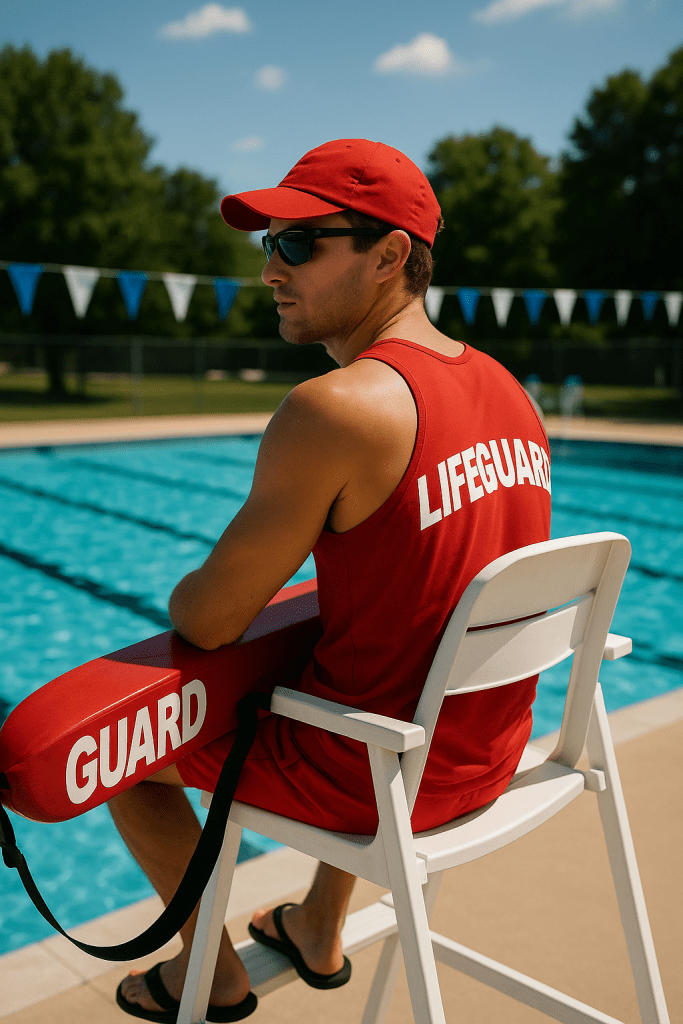
As lifeguards, we’re trained to respond to emergencies, act quickly under pressure, and protect lives around the water. But here’s the truth: the best rescue is the one that never needs to happen.
Most swimmers only see us as the person in the red suit, perched high on a lifeguard chair, scanning back and forth. But behind the whistle and sunglasses, we’re constantly assessing risks, preventing accidents, and watching for signs that something’s not right. And over the years, we’ve come to realize there are a few key things every swimmer should understand—things that could make the water safer, more enjoyable, and a lot less stressful for everyone.
Here’s what every lifeguard wishes every swimmer knew:
1. We’re Not Just Watching You—We’re Watching Everyone
When we scan, we’re trained to cover the entire zone of the pool or waterfront in seconds. That means we might not make eye contact with you every time, but trust us, we see you. And yes, we notice when you’re climbing the slide the wrong way or trying to sneak a dive in the shallow end. It’s not personal—we’re watching out for everyone.
2. “I Know How to Swim” Doesn’t Make You Invincible
Even strong swimmers get tired, overestimate their ability, or suffer cramps. Drowning can happen quickly and silently—even to confident adults. Respect the water, never swim alone, and understand that “I’m a good swimmer” isn’t a free pass to ignore rules or push your limits.
3. Your Child Isn’t as Safe as You Think They Are
One of the most heartbreaking truths lifeguards face is that parents often overestimate their child’s ability in the water. “She knows how to swim” doesn’t mean she can handle deep water, strong currents, or unexpected slips. Arm floaties, pool noodles, and inner tubes are not life-saving devices. Active supervision is crucial—yes, even if there’s a lifeguard on duty.
4. Drowning Doesn’t Look Like the Movies
There’s no splashing, no yelling, no flailing. Real drowning is quiet. Victims often slip under the water without a sound. That’s why we don’t appreciate distractions—phones, long conversations, or turning your back to the pool. It only takes seconds.
5. Listen the First Time
If a lifeguard asks you to stop running, get out of the deep end, or wear a life jacket—it’s not to ruin your fun. It’s because we’ve seen what happens when those rules are broken. Lifeguards aren’t babysitters or bad guys—we’re here to keep you safe. And when we speak up, it’s because something is potentially dangerous, not because we want to nag.
6. Help Us Help You
We’re trained to act fast—but you can help us even more. Know your limits. Stay where you’re comfortable. Learn basic water safety and CPR. If you see something concerning, say something. And teach your kids to treat lifeguards with the same respect they’d give a firefighter or police officer—we’re first responders too.
7. The Best Swimmers Know When to Get Out
Whether it’s lightning in the distance, waves getting too rough, or just feeling tired—it’s okay to call it a day. Knowing when to get out is a mark of a smart swimmer, not a weak one.
8. We’re Human Too
We care deeply, we stress about every close call, and we carry the weight of the lives we’re responsible for. We train constantly, stay alert for hours, and sometimes go home wondering if we could have done more. A smile, a thank-you, or a little patience goes a long way.
Final Thoughts:
Lifeguards are the last line of defense, not the first. The most powerful water safety tool will always be you—your choices, your awareness, and your respect for the environment. When we work together, we can keep the water safe, fun, and life-changing for all the right reasons.
So the next time you head to the pool, beach, or lake, take a moment to remember what your lifeguard already knows—and what they wish you did too. It could save a life. Maybe even yours.
Stay safe out there. 💦
 Certifications For Life Inc.