Why CPR Training on the Ground Matters—Even in Facilities with Medical Beds

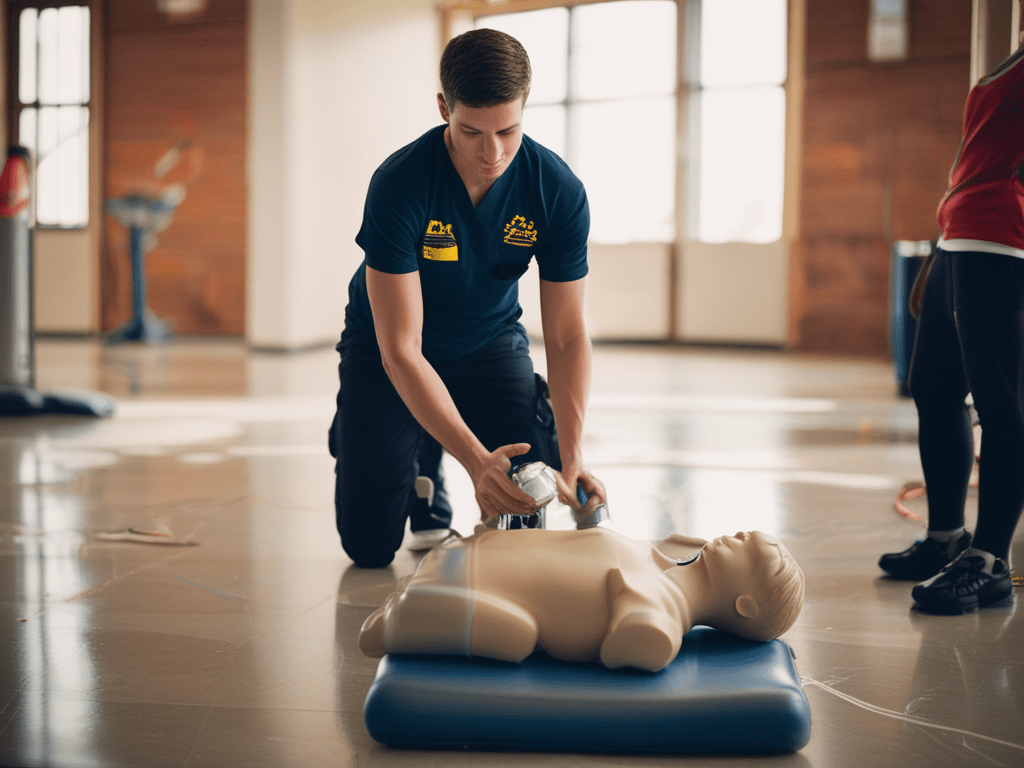
CPR on the ground

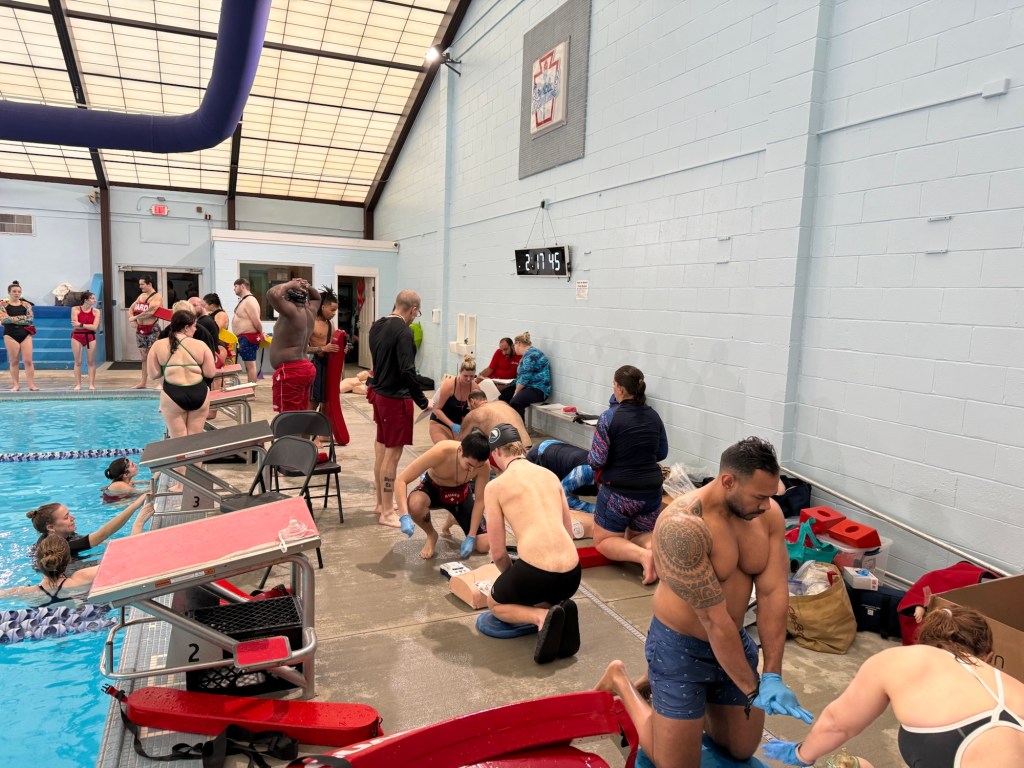
When it comes to CPR training, realism matters. In medical or care facilities, it’s common to practice on beds or elevated surfaces because that’s where many emergencies happen. However, limiting training to these scenarios overlooks a critical truth: emergencies are unpredictable. That’s why every CPR class—whether it’s for healthcare providers, first responders, or general staff—should include hands-on practice of CPR on the ground.

Real-World Emergencies Don’t Happen in Controlled Settings

In a perfect world, every cardiac arrest would occur in a fully equipped room, with ample staff, an adjustable hospital bed, and all the tools needed at arm’s reach. But in reality, patients collapse in hallways, bathrooms, stairwells, parking lots, or in their own homes. Even within a medical facility, responders often need to act quickly before a patient can be safely transferred to a bed.

Practicing CPR on the ground prepares participants for these unpredictable, uncontrolled scenarios. It builds confidence in positioning, airway management, and compression technique when there’s no elevation or support under the patient. It also helps responders experience the physical demands of kneeling and sustaining compressions in a more realistic setting.

Improved Compression Quality

High-quality compressions are the foundation of effective CPR. Studies show that surface firmness significantly affects compression depth and recoil. Beds—especially hospital beds with mattresses—can absorb force and reduce the effectiveness of compressions unless a backboard is used. Practicing on the floor ensures participants get a feel for proper depth, rhythm, and body mechanics without these variables.

Builds True Readiness

Training on a bed alone can create a false sense of security. It assumes a patient is always neatly positioned and accessible. Practicing on the floor trains participants to adapt—to quickly assess space, reposition a patient, and start CPR without hesitation. This kind of readiness can be the difference between hesitation and immediate action in a life-threatening situation.

Encourages Teamwork and Safe Movement

Learning how to move a patient safely from a bed to the floor (or vice versa) is a valuable skill in itself. Ground-based training encourages communication and planning, teaching participants to work as a team under pressure. It also highlights potential barriers—tight corners, limited space, or mobility issues—that teams can troubleshoot in advance during drills.

The Bottom Line

CPR training should reflect reality. Even in a fully equipped facility with hospital beds, incorporating ground-based CPR practice is essential. It improves confidence, technique, and readiness for the moments that truly count.

At Certifications For Life Inc., we ensure every participant learns to perform CPR on the ground because when emergencies strike, there’s no time to adjust. There’s only time to act.

#CPRTraining #RealLifeReadiness #EmergencyPreparedness #CPRSavesLives #HandsOnlyCPR #MedicalTraining #OnTheGroundCPR #LifesavingSkills #HealthcareEducation #FirstResponderTraining #CertificationsForLife #TrainForReality
Why American Red Cross Lifeguard Training Should Be at Least Three Days Instead of Two

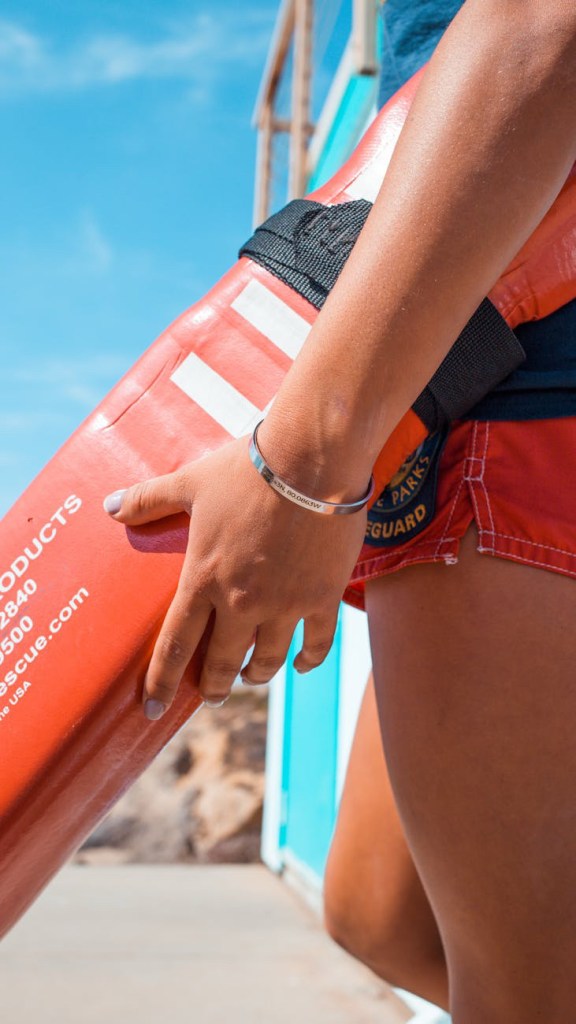
When it comes to lifeguard training, quality and retention of skills matter far more than just checking off requirements. The American Red Cross Lifeguard Training program is already a rigorous and intensive course, but the trend of condensing it into a two-day format often sacrifices the long-term retention of crucial lifesaving skills. Extending the training to at least three days provides a more comprehensive learning experience, ensuring that lifeguards leave the class prepared, confident, and truly ready to respond in emergencies.

Better Skill Retention Through Reinforcement

Lifeguarding requires mastering a wide range of complex skills, including in-water rescues, spinal injury management, CPR/AED use, and teamwork under pressure. These skills are best learned through repetition and hands-on practice—not rushed through in a compressed schedule.

• Spaced Learning Improves Memory: Studies show that learning retention improves when information is spread over multiple days rather than crammed into a short period. A three-day class allows for skill reinforcement and application, making it more likely that lifeguards will remember what they’ve learned when they need it most.

• Muscle Memory Development: Lifeguards must perform rescues instinctively, often under high-stress conditions. More in-water practice time ensures that skills become second nature, improving reaction times in real-life emergencies.

Reduced Fatigue Leads to Better Performance

A two-day format often results in long, exhausting training days that can be physically and mentally draining. This fatigue negatively impacts learning and skill retention.

• Cognitive Overload: Too much information crammed into a short time can overwhelm students, making it harder for them to absorb and retain essential techniques.

• Physical Endurance Matters: Lifeguarding is physically demanding, and practicing these skills while fatigued can lead to improper technique and decreased confidence. Spreading the training over three days allows participants to stay fresh and perform at their best.

A More Engaging and Enjoyable Learning Experience

A rushed course can feel stressful and overwhelming, making it harder for participants to engage fully in the training. A three-day class allows for:

• More Hands-On Practice: More time means more opportunities to refine techniques, ask questions, and build confidence.

• Stronger Teamwork Development: Lifeguarding is not a solo job. Extra time in the course gives participants the chance to develop better communication and coordination with their team.

• Deeper Understanding of Emergency Scenarios: A relaxed schedule allows instructors to go beyond the basics and discuss real-life scenarios, reinforcing decision-making skills.

Challenges in Offering Longer Courses

While a three-day format is ideal, not all training providers are able to offer extended courses due to facility restrictions and scheduling obstacles. Some of the challenges include:

• Limited Pool and Classroom Availability: Many facilities, such as community pools and aquatic centers, have tight schedules that must accommodate public swim hours, swim teams, and other programs. This makes it difficult to secure enough consecutive days for a longer course.

• Instructor Scheduling Conflicts: Lifeguard instructors often juggle multiple roles, including working as aquatics directors, managers, or full-time lifeguards. Finding instructors available for three full days can be a challenge.

• Participant Availability: Many students, particularly high school and college-aged lifeguards, have limited availability due to school, sports, or work commitments, making it harder to schedule longer classes.

Despite these challenges, providers who prioritize high-quality training and find ways to offer extended courses are giving their lifeguards a significant advantage in skill retention and real-world preparedness.

Better Prepared Lifeguards Save More Lives

At the end of the day, lifeguard training isn’t just about passing a test—it’s about ensuring that every certified lifeguard is prepared to save lives. A three-day format provides:

• More Time for Assessment: Instructors can spend more time evaluating skills, ensuring that each candidate is truly ready for real-world situations.

• Increased Confidence in Graduates: Lifeguards who feel well-trained and prepared are more likely to respond effectively in emergencies.

Final Thoughts

The goal of lifeguard training isn’t just certification—it’s preparation. While scheduling and facility challenges may limit some providers to offering two-day courses, a three-day format allows for better skill retention, less fatigue, and a more engaging learning experience. When the responsibility is this high, we owe it to our future lifeguards—and the people they protect—to provide the best possible training.

Are you ready to train like a lifesaver? Choose a course that prioritizes skill mastery and real-world readiness.

Please note that this is my professional opinion on how Lifeguard Training courses should be organized and administered. There are organizations that feel that 2 days is more appropriate. I think about the course objectives and opportunities to allow our course participants to feel confident in their skills. My goal is for lifeguards to feel confident and ready to go as they sit on their stands.

#certificationsforlifeinc #toparcprovider #toparcinstructors #bestemergencytrainingschool #learningtosavealifetoday #cpraedfatraining #blscpraedfatraining #babysitterstraining #bestsmallbusinessNJ #redcross #savinglives #drowningprevention #savealife #cpr #lifeguard #lifeguardlife #lifeguardtraining #championsofcpraedfatraining

The Benefits of Becoming an American Red Cross Certified Babysitter with Pediatric CPR and First Aid

Babysitting is more than just a way to earn extra money; it’s a critical responsibility that involves taking care of young children and ensuring their safety. For those looking to take their babysitting skills to the next level, becoming an American Red Cross certified babysitter with pediatric CPR and first aid training offers a range of significant benefits. This certification not only boosts your credibility but also gives you essential skills that could make a life-saving difference.

1. Enhanced Safety for the Children

The top priority for any babysitter is the safety and well-being of the children in their care. Pediatric CPR and first aid training equip you with the knowledge and skills to handle a variety of emergencies, from minor injuries like scrapes and bruises to life-threatening situations like choking or drowning. Knowing how to react in these critical moments can help you remain calm and provide the right care until professional help arrives.

With this certification, parents can trust that their children are in the safest hands possible, making you a more desirable choice for families.

2. Higher Earning Potential

Parents are often willing to pay more for babysitters who have specialized training. Having American Red Cross pediatric CPR and first aid certification sets you apart from other babysitters. It shows that you are not just doing the job for money but have a serious commitment to the children’s safety and care. In competitive markets, this certification can command higher rates for your services, giving you an edge over untrained babysitters.

3. Increased Confidence and Preparedness

Emergencies can happen at any time, and it’s crucial to be prepared. Becoming a certified babysitter means you’ve learned how to assess situations quickly and administer appropriate care, whether it’s performing CPR on a child or applying first aid for burns or fractures. This training instills confidence in your abilities, which helps you remain composed in high-pressure situations.

This confidence can also translate into your overall demeanor as a babysitter, making you more reassuring to both children and their parents.

4. Expanded Knowledge Beyond Basic Care

While basic babysitting skills such as meal prep and entertaining kids are important, Red Cross certification teaches you advanced care techniques. You’ll learn about child behavior, diapering, feeding infants, and basic child development. The inclusion of pediatric CPR and first aid adds another layer to this skill set, allowing you to care for children of all ages, from infants to pre-teens.

This well-rounded approach helps you become a more versatile and trusted babysitter who can handle a wide range of responsibilities.

5. Builds Trust and Credibility

When parents are choosing a babysitter, trust is everything. Having American Red Cross certification on your resume immediately boosts your credibility. Parents feel reassured knowing that their babysitter has undergone professional training in child care, safety, and emergency response. They are more likely to hire someone who has demonstrated a commitment to acquiring life-saving skills.

Displaying your certification also makes you a more reliable option for parents who may require babysitters for longer durations or overnight stays, increasing your chances of getting more consistent work.

6. It’s a Great Foundation for Future Careers

If you’re considering a career in child care, education, or the medical field, being a certified babysitter with CPR and first aid training is a great starting point. These skills are foundational for a variety of professions such as teaching, nursing, or emergency services. The experience you gain through babysitting, paired with your certification, can open doors to internships, volunteer opportunities, and more formal child care roles in the future.

7. Improved Peace of Mind for Parents

One of the most significant benefits of this certification is the peace of mind it provides to parents. Knowing that their babysitter is trained in pediatric CPR and first aid gives parents a sense of security. They know that, in the event of an emergency, their babysitter will take swift, informed action to keep their child safe.

This trust is invaluable and will likely lead to more referrals, as parents spread the word about your qualifications and skills.

Conclusion

Becoming an American Red Cross certified babysitter with pediatric CPR and first aid training offers invaluable benefits. Not only will you gain life-saving skills and increase your earning potential, but you’ll also be better prepared, more confident, and more trusted by parents. This certification provides you with tools that will set you apart in the babysitting world and lay the foundation for future opportunities in child care and beyond.

CPR Training with Real-Time Feedback Devices: Benefits & Impact

Try our feedback devices in our CPR/AED training classes.

In CPR (Cardiopulmonary Resuscitation) training, accuracy and precision can make the difference between life and death. This is especially true when it comes to chest compressions, the core part of CPR. In recent years, feedback devices integrated into CPR manikins have revolutionized the way students learn and practice this life-saving skill. These devices offer real-time guidance on key performance metrics such as compression depth, rate, and recoil, helping trainees improve their technique and confidence.

Here’s a look at the positive outcomes of using feedback devices during CPR training:

1. Immediate Performance Improvement

Feedback devices provide instant, actionable insights. As a trainee practices compressions, the device relays data regarding depth, rate, and hand placement. This allows students to adjust their technique immediately, leading to more effective learning. By receiving real-time feedback, learners quickly correct errors that might go unnoticed in traditional training methods, such as insufficient compression depth or improper recoil.

2. Building Muscle Memory

Consistent practice with feedback devices helps students develop muscle memory for effective compressions. These devices reinforce proper hand positioning and the necessary force to achieve optimal compression depth. Over time, this repetition enhances muscle memory, so when students face real-life emergencies, they can perform chest compressions instinctively and correctly without hesitation.

3. Enhanced Confidence and Competence

One of the biggest challenges learners face during CPR training is uncertainty—many wonder if they’re performing the compressions correctly. Feedback devices remove this doubt by providing clear, measurable indicators of performance. When trainees see that they are consistently hitting the right depth and rate, their confidence grows. This confidence translates into a higher likelihood of responding promptly and effectively in real-world situations.

4. Standardized Training for All Skill Levels

Feedback devices create consistency in CPR training. Whether the learner is a first-time student or a seasoned healthcare professional, these tools help maintain a standard level of performance across the board. They ensure that every trainee meets the American Heart Association’s guidelines for compression depth (2-2.4 inches) and rate (100-120 compressions per minute). This standardized approach helps trainers ensure that all students, regardless of experience, are performing CPR at the highest level.

5. Better Retention of Skills

Studies have shown that CPR skills tend to deteriorate over time without regular practice. However, using feedback devices can significantly improve skill retention. Because these tools promote repetitive practice with corrective guidance, students are more likely to retain their knowledge and skills longer. Some feedback devices even track performance over multiple training sessions, providing a detailed record of improvement and highlighting areas that may need more focus in the future.

6. Improved Patient Outcomes

Ultimately, the goal of CPR training is to save lives. Feedback devices play a crucial role in achieving this by ensuring that those administering CPR are performing high-quality compressions. Studies have shown that compressions delivered at the correct depth and rate increase the chances of survival for cardiac arrest victims. By using feedback devices during training, students are better prepared to provide life-saving compressions in real-world emergencies, leading to better outcomes for patients.

7. Data-Driven Training and Accountability

Feedback devices provide objective data that trainers and students can use to assess progress. This data-driven approach fosters accountability, as both trainers and students can see specific areas that need improvement. It also enables instructors to tailor their teaching to the individual needs of each student, offering personalized coaching based on performance metrics.

Conclusion

Feedback devices on CPR manikins are transforming the way people learn and practice CPR. By offering real-time guidance, improving confidence, and ensuring that trainees are prepared to deliver effective compressions, these devices are contributing to better training outcomes—and ultimately, saving more lives. For CPR students and instructors alike, incorporating feedback devices into training is a smart, forward-thinking move that maximizes the impact of this vital life-saving skill

If you are interested in learning CPR or enhancing your skills, look for training programs that incorporate feedback devices. The investment in high-quality training is one of the best ways to ensure you are ready when it matters most. #certificationsforlifeinc #toparcprovider #toparcinstructors #bestemergencytrainingschool #learningtosavealifetoday #cpraedfatraining #blscpraedfatraining #babysitterstraining #bestsmallbusinessNJ #redcross #savinglives #drowningprevention #savealife #cpr #lifeguard #lifeguardlife #lifeguardtraining #AHAtraining #heartcodeBLS #Americanheartassociation #championsofcpraedfatraining

Understanding New Jersey’s Good Samaritan Law: Protecting Those Who Provide CPR and First Aid

How the Good Samaritan Law protects those who voluntarily provide care !

In emergency situations, when someone’s life is on the line, stepping in to provide CPR or first aid can make all the difference. However, many people hesitate to help, fearing potential legal consequences if something goes wrong. This is where the Good Samaritan Law comes into play. In New Jersey, this law offers legal protection to individuals who render aid in an emergency, encouraging bystanders to act without fear of being sued.

This blog post will explore the essentials of New Jersey’s Good Samaritan Law, its significance in CPR and first aid scenarios, and why understanding this law can empower more people to help others in their time of need.

What is the Good Samaritan Law?

The Good Samaritan Law is designed to protect individuals who voluntarily assist others during an emergency from legal liability, provided that their actions are reasonable and in good faith. Essentially, it means that if you provide CPR or first aid to someone in distress, you won’t be held legally responsible if your efforts don’t succeed or if the person suffers unintended harm, as long as you act within the scope of your training and without gross negligence.

The Good Samaritan Law in New Jersey

New Jersey’s Good Samaritan Law (N.J.S.A. 2A:62A-1) covers a wide range of emergency situations, offering protection to those who provide care without expectation of compensation. Here are some key points to understand:

  1. Scope of Protection: The law applies to anyone who provides emergency care in good faith. This includes laypersons, off-duty medical professionals, and first responders. The key requirement is that the assistance must be rendered voluntarily and without any expectation of being paid.
  2. CPR and First Aid: If you perform CPR or provide first aid in an emergency, the Good Samaritan Law protects you from legal liability for unintentional harm that may occur during your attempt to help. For example, if you perform CPR and inadvertently cause a rib injury, you won’t be held liable for this injury as long as you were acting within the scope of your training.
  3. Automated External Defibrillators (AEDs): New Jersey’s Good Samaritan Law also extends to the use of AEDs. This is crucial, as AEDs are now commonly available in public spaces, and their use can be life-saving during cardiac emergencies. If you use an AED to assist someone in cardiac arrest, you’re protected under the Good Samaritan Law as long as your actions are reasonable and in good faith.
  4. Exceptions to Protection: While the law provides broad protection, it does not cover gross negligence or willful misconduct. If someone acts recklessly or intentionally causes harm while providing assistance, they could still be held liable. For example, if a person attempts to help but ignores standard procedures or acts in a way that a reasonable person would deem dangerous, the Good Samaritan Law may not protect them.

Why the Good Samaritan Law Matters

The Good Samaritan Law is vital in encouraging people to act in emergencies without the fear of legal repercussions. Here’s why this law matters:

  • Encourages Action: In life-threatening situations, every second counts. The Good Samaritan Law gives bystanders the confidence to step in and help, knowing they won’t be penalized for their good-faith efforts. This can increase the likelihood of someone receiving timely help, improving their chances of survival.
  • Supports Public Health: By protecting those who provide CPR, first aid, or use an AED, the law fosters a community where people are more willing to help one another in emergencies. This widespread willingness to assist can have a significant impact on public health, particularly in cardiac arrest situations where immediate intervention is critical.
  • Empowers Non-Medical Individuals: The law acknowledges that you don’t have to be a healthcare professional to make a difference. Everyday citizens, with basic CPR and first aid training, can be lifesavers, and the law ensures they’re legally safeguarded when they choose to help.

How You Can Help

Understanding New Jersey’s Good Samaritan Law is just the first step. If you want to be prepared to help in an emergency, consider taking a CPR and first aid course. Knowing how to respond in a crisis, and having the protection of the Good Samaritan Law, can make you a valuable asset in your community.

Here’s what you can do:

  • Get Trained: Enroll in a CPR and first aid course. Many organizations, such as the American Red Cross and the American Heart Association, offer these courses in-person and online. You’ll gain the skills and confidence needed to act swiftly in emergencies.
  • Know Where AEDs Are Located: Familiarize yourself with the locations of AEDs in your workplace, gym, or community center. In a cardiac emergency, knowing where to find an AED can be just as important as knowing how to use it.
  • Spread Awareness: Educate your friends, family, and colleagues about the Good Samaritan Law. Encourage them to get trained in CPR and first aid so that more people are equipped to help in emergencies.

Conclusion

New Jersey’s Good Samaritan Law is a crucial legal protection that ensures you can step up and assist in an emergency without fearing legal consequences. By understanding this law, you can feel more confident in your ability to help others through CPR, first aid, or the use of an AED.

Whether you’re a trained professional or simply a concerned bystander, remember that your actions can save a life. The Good Samaritan Law exists to support you in making a difference.

#certificationsforlifeinc #toparcprovider #toparcinstructors #bestemergencytrainingschool #learningtosavealifetoday #cpraedfatraining #blscpraedfatraining #babysitterstraining #bestsmallbusinessNJ #redcross #savinglives #drowningprevention #savealife #cpr #lifeguard #lifeguardlife #lifeguardtraining #AHAtraining #heartcodeBLS #Americanheartassociation #championsofcpraedfatraining

How AEDs Significantly Increase Survival Rates for Cardiac Arrest Victims

Cardiac arrest is a life-threatening emergency that can strike without warning, often leading to death within minutes if not treated promptly. In fact, sudden cardiac arrest is one of the leading causes of death globally, with survival rates hovering around a mere 10% when it occurs outside of a hospital. However, the timely use of an Automated External Defibrillator (AED) can dramatically improve these odds. In this blog post, we’ll explore how AEDs work, why they’re essential, and how they can increase the survival rate of cardiac arrest victims.

Understanding Cardiac Arrest and the Role of Defibrillation

Cardiac arrest occurs when the heart’s electrical system malfunctions, causing it to stop beating effectively. Unlike a heart attack, which is a circulation problem due to blocked blood flow, cardiac arrest is an “electrical” problem where the heart may quiver or beat erratically, known as ventricular fibrillation. When this happens, blood stops circulating, depriving the brain and other vital organs of oxygen. If not treated within minutes, cardiac arrest can be fatal.

Defibrillation is the process of delivering a controlled electric shock to the heart to restore a normal rhythm. An AED is a portable, user-friendly device designed to recognize and treat life-threatening cardiac arrhythmias through defibrillation. The sooner defibrillation is administered, the higher the chances of survival.

The Impact of AEDs on Survival Rates

Studies have shown that each minute of delay in defibrillation decreases the chances of survival by 7% to 10%. This statistic underscores the importance of having AEDs readily accessible in public spaces, workplaces, and homes. When an AED is used within the first few minutes of cardiac arrest, survival rates can increase significantly—by as much as 60% to 70%.

Why AEDs Are So Effective

  1. Rapid Response: The key to increasing survival rates in cardiac arrest cases is the speed of response. AEDs are designed to be used by bystanders with little to no medical training. Once activated, the AED provides step-by-step voice and visual prompts to guide the user through the process, including when and how to deliver the shock. This rapid response is crucial in the critical moments following cardiac arrest.
  2. Widespread Availability: The increased placement of AEDs in public areas such as airports, schools, shopping malls, and sports arenas means that they are often within reach when an emergency occurs. The wider the availability of AEDs, the more likely they are to be used quickly, thus improving the chances of survival.
  3. Improved Outcomes: AEDs are incredibly effective in converting ventricular fibrillation (the most common cause of cardiac arrest) back to a normal rhythm. Immediate defibrillation, along with CPR, can double or even triple the chances of survival. AEDs also help prevent neurological damage by ensuring that oxygenated blood continues to flow to the brain while waiting for emergency medical services (EMS) to arrive.
  4. Integration with CPR: The combination of CPR and AED use is a powerful lifesaving strategy. While CPR helps to maintain circulation and oxygenation, AEDs address the underlying arrhythmia. Modern AEDs even come equipped with CPR feedback features, providing real-time guidance on the quality of chest compressions, further enhancing the effectiveness of the response.

AEDs in the Community: A Lifesaving Tool

Community awareness and education about AEDs are crucial to increasing their use and improving survival rates from cardiac arrest. Many organizations and initiatives now offer AED training as part of CPR courses, empowering more people to act confidently in an emergency.

Additionally, some regions have implemented AED registries and apps that help bystanders locate the nearest AED during an emergency. This technology-driven approach ensures that precious seconds are not lost searching for a device when every moment counts.

Conclusion

Automated External Defibrillators are a cornerstone in the fight against sudden cardiac arrest. By providing a rapid, effective response, AEDs significantly increase the chances of survival and reduce the risk of long-term damage for victims. The continued expansion of AED availability and public education on their use are essential steps toward improving outcomes for cardiac arrest victims worldwide. Remember, in the event of cardiac arrest, the power to save a life could be in your hands—thanks to the life-saving capabilities of an AED.

Life-Saving CPR and AED Training: Be Prepared for Cardiac Emergencies

Cardiac emergencies can strike anyone, anywhere, and at any time. Whether you’re at home, in the workplace, or out in public, being equipped with the skills to respond to such emergencies can mean the difference between life and death. This is where CPR (Cardiopulmonary Resuscitation) and AED (Automated External Defibrillator) training come into play.

The Reality of Cardiac Emergencies

Every year, hundreds of thousands of people experience sudden cardiac arrest (SCA) outside of a hospital setting. According to the American Heart Association (AHA), approximately 350,000 cases of out-of-hospital cardiac arrests (OHCA) occur annually in the United States alone. Tragically, the survival rate for these incidents is low—only about 10% of people survive an OHCA. However, when bystanders step in and administer CPR or use an AED before emergency medical services arrive, survival rates can double or even triple.

What is CPR and Why Is It Essential?

CPR is a life-saving technique that involves chest compressions and rescue breaths to maintain blood circulation and oxygen flow to the brain and other vital organs until professional medical help arrives. When a person’s heart stops beating, every second counts. Without immediate intervention, brain damage can occur within four to six minutes, and death can follow within ten minutes.

Learning CPR is critical because it empowers you to act quickly and confidently in these dire moments. Bystanders who are trained in CPR can start providing care immediately, buying crucial time for the victim. Even if you’re not a healthcare professional, understanding the basics of CPR can make you a vital link in the chain of survival.

The Role of AEDs in Cardiac Emergencies

An AED is a portable device that delivers an electric shock to the heart to restore a normal rhythm in cases of sudden cardiac arrest. AEDs are designed to be user-friendly, with clear instructions that guide even untrained individuals through the process. When combined with CPR, using an AED significantly increases the chances of survival for someone experiencing cardiac arrest.

AEDs are increasingly available in public places like schools, airports, shopping malls, and workplaces. However, the mere presence of an AED is not enough; people need to know how to use them effectively. AED training demystifies the process, ensuring that you can use this powerful tool correctly when needed.

Why Everyone Should Learn CPR and AED Skills

  1. Immediate Response Saves Lives: In the critical moments following a cardiac arrest, the actions of bystanders can determine the outcome. Learning CPR and how to use an AED enables you to be the difference between life and death for someone in need.
  2. Preparedness Reduces Panic: In an emergency, knowing what to do reduces panic and increases the likelihood of effective intervention. Training provides you with the confidence to act quickly and decisively.
  3. Empowering Communities: Widespread CPR and AED training can turn entire communities into networks of potential life-savers. The more people who are trained, the safer the community becomes.
  4. It’s Easier Than You Think: Modern CPR and AED training is designed to be accessible and easy to understand. With options for both in-person and online courses, learning these skills has never been more convenient.

Conclusion

Learning CPR and AED skills is not just for healthcare professionals; it’s for everyone. By taking the time to get trained, you equip yourself with the knowledge and confidence to save lives. Cardiac emergencies are unpredictable, but with the right skills, you can be prepared to make a life-saving difference.

Don’t wait until it’s too late—consider enrolling in a CPR and AED training course today. The life you save could be that of a loved one, a neighbor, or even a stranger.

Why Certifications For Life Inc?

What we do best!

Running a training school has a purpose. Our goal is to help our local communities be prepared for life threatening emergencies and feeling confident in using the lifesaving techniques that we teach in our classes. It might sound “cliche“. However, it’s why we do what we do. We feel that we have a mission to help. The other gratification that we have is the fact that our services are needed. So why choose us? We will tell you why.

Award Winning- Certifications For Life Inc., has been breaking down barriers since we have opened the doors. Our community has a need for training and we are honored to serve those who need training. Since the American Red Cross has awarded their Licensed Training Providers in 2017, we have been a top provider. In 2020, we moved from being a top training provider in the tristate area to now in the top 200 training schools across the US. Thus, making us a Top National Training Provider. We look forward to achieving more success in years to come.

Our Instructors and Instructor Trainers-All of our Instructors and Instructor trainers are certified and licensed to teach the classes that we run. Our team is diverse culturally and professionally. Our team ranges from nurses to EMT’s, to business leaders, to teachers, to even full time Aquatic leaders that bring a lifetime of experience to meet the learning needs of our students who come through our doors. We have a unique interview process to find team members that share our vision and passion for serving the community. Moreover, the trainers attend continuous ongoing professional development to enhance their instructional methods inside the classroom.

Our Training Equipment- Certifications For Life Inc., has invested in training equipment to provide our students as realistic experiences as possible. This past spring we purchased our very first feedback manhkin set. Customers can now receive feedback from their manhkin in addition to their instructor to let them know whether they can perform compressions at the right rate and depth. We have AED trainers that mimic the prompting that one would hear when using an actual AED on a victim. In our health care professional classes, Bag -Valve masks are included in training in addition to gloves, breathing barriers, and first aid training equipment. In our lifeguard training classes, participants use all of these materials including our spinal board, rescue tubes, and other necessary training equipment. Every participant receives a breathing barrier as part of their class tuition payment.

Communication- Our communication with our customers is endless. As soon as you register for your training class, you will receive a confirmation email, to text message reminders before your class. We also communicate with our customers after their class to ensure that each customer has a positive experience. We are NOT perfect and make mistakes. We like to resolve concerns quickly and efficiently. We have never not returned an email, text message, or call any longer than 48 hours. As of this past year, we implemented a text message reminder to help remind our customers when their certification will expire. We start off with a 90 day reminder and continue to reach out to our customers even when they expire as we know life happens. For customers who do not want to be on these text message lists, we respect their wishes and communicate with them using other means that they provide consent too.

Customer Focused- The class is about our participants. We focus on instructional methods that will help our participants feel successful in their training. Questions and feedback are welcome. Relationships between the student and instructors are created naturally.

Certifications- Certifications are quickly processed as the technology to process these documents allows for a seamless process. Most of our classes result in a 2 year certification. The exception is our CPO class which is a 5 year certification. Certifications directly come from the American Red Cross. They are emailed directly to the participant so they can download and save a copy to their desktop for future use.

Customizable Classes- We provide variety of options for any individual to business. From our popular blended learning format to full in-person classes, training fits your schedule as you need it too.

2245 US Highway 130
Suite 105
Dayton , NJ 08810
USA

Podcast aspirations

Picture of where you can find my podcast!

For anyone who does not know me, before I decided to become a teacher, I really wanted to be a commentator for the World Wrestling Entertainment otherwise known as “WWE”. As a kid, I loved watching professional wrestling and immediately resonated with the superstars of the “Attitude Era” and continue to watch the show on a weekly basis. I have attended many live shows and paper views from No Mercy, to Monday Night Raw, to the Super Bowl of shows Wrestlemania 29 and my latest adventure Wrestlemania 35 where I was able to witness history. For 34 Wrestlemanias men have main evented the “Show of the Immortals”. Wrestlemania 35 was different where three women closed out the show . One of those women was Ronda Rousey. Anyway, I can go on and on about the WWE and the positive impact that it has had on my life from being a kid to an adult. I always wanted to share my artistic side in a different way. Last year, I had the idea of starting the show, but COVID-19 hit and my focus shifted towards the business. I had a lot of things to work on and get a hold of how to run “Certifications For Life”. It finally came to me that I could do this podcast show. I spoke to others and let them know that I wanted to do this. So now it is here. “The Justin Gala Show”.

Where can you find my show? My podcast can be found on Spotify, Google Podcast, RadioPublic, and many other platforms to come.

What is the link to my podcast show?Click here

Do you have any sponsors for your podcast show? Yes! I do have a sponsor. I hope to attract more sponsors and pay it forward. 

What topics will be discussed on the show and is the podcast show child friendly? My show will be child friendly. The topics that will be discussed will be the following:

  • Promoting other businesses and colleagues who I know are great people, work hard, and care about their customers. It never hurts to recommend businesses. I want to pay it forward. I asked these business owners to be part of my show.
  • “Education” in a way of sharing ideas, success stories, inspirations, good books, ideas, and hopefully a way to help children, families, and other educators.
  • The art of CPR/AED training, first aid training, good safety habits, and promoting the importance of being trained .
  • The field of aquatics from everyday lifeguard life, lifeguard training, risk management/ consultation ideas, pool operator stories, swim instruction, commercial pool industry, and how anyone can help keep a community or a residential pool safe. You will hear from instructors, managers, commercial pool business owners, etc about their experiences first hand.
  • Mental health awareness and strategies for stress management.
  • Professional wrestling discussions and UFC discussions.

*This podcast show will NOT discuss anything political in nature as this is a political free podcast . I believe that everyone has a right to their political opinion, but that these opinions are not meant for public ears as I do not want listeners to feel that the show is politically biased in anyway. All podcast guests have agreed to voluntarily participate in the show on their own will. Podcast guests are choosing to voluntarily meet on their own time to produce accurate content.

How often will there be episodes? As often as I can make episodes and as often as guests are willing to participate in the show.

I would like to be on the podcast show. How do I request to be on the show? Send an email to jgala@certsforlife.net .

American Red Cross Provides Recommendations for Re-opening pools and safety.

I will update this post as necessary.

These guidelines and recommendations come from the ARC’s scientific advisory council. We want to thank the ARC for also contributing to a safe re-opening if pools. Please click the following website link: ARC scientific Advisory Council recommendations on re-opening pools safely and keeping Lifeguards safe

Our Red Cross lifeguard training classes have started on time following all the rules of the NJ DOH, Governor Murphy, ARC, and CDC guidelines. If you have questions, please reach out to us at 732-307-4241