

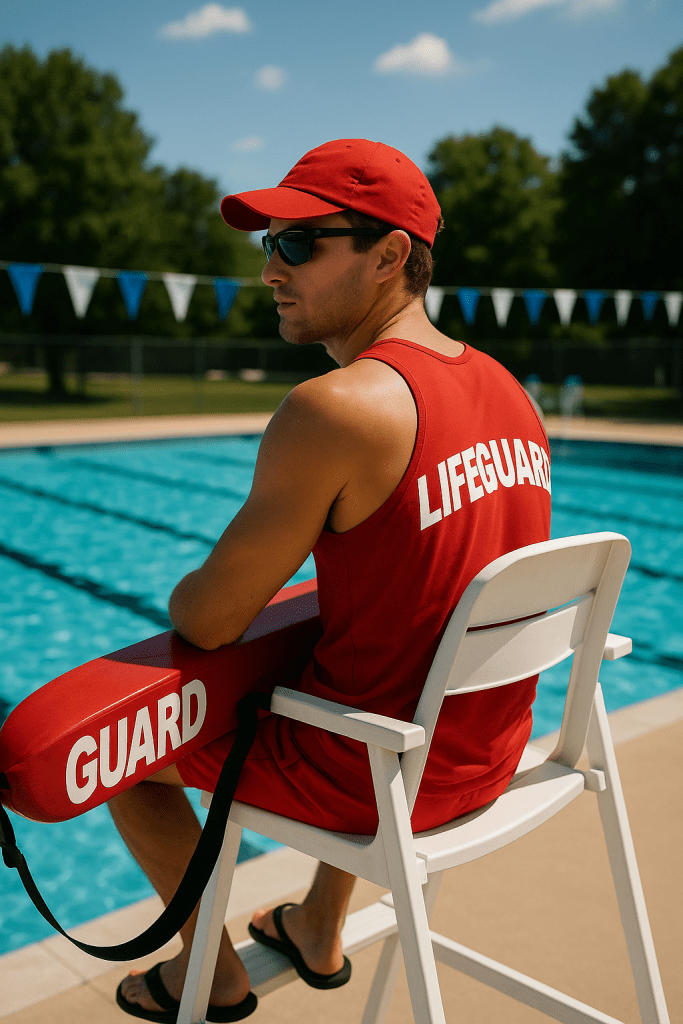
What Every Lifeguard Wishes Every Swimmer Knew

As lifeguards, we’re trained to respond to emergencies, act quickly under pressure, and protect lives around the water. But here’s the truth: the best rescue is the one that never needs to happen.

Most swimmers only see us as the person in the red suit, perched high on a lifeguard chair, scanning back and forth. But behind the whistle and sunglasses, we’re constantly assessing risks, preventing accidents, and watching for signs that something’s not right. And over the years, we’ve come to realize there are a few key things every swimmer should understand—things that could make the water safer, more enjoyable, and a lot less stressful for everyone.

Here’s what every lifeguard wishes every swimmer knew:

1. We’re Not Just Watching You—We’re Watching Everyone

When we scan, we’re trained to cover the entire zone of the pool or waterfront in seconds. That means we might not make eye contact with you every time, but trust us, we see you. And yes, we notice when you’re climbing the slide the wrong way or trying to sneak a dive in the shallow end. It’s not personal—we’re watching out for everyone.

2. “I Know How to Swim” Doesn’t Make You Invincible

Even strong swimmers get tired, overestimate their ability, or suffer cramps. Drowning can happen quickly and silently—even to confident adults. Respect the water, never swim alone, and understand that “I’m a good swimmer” isn’t a free pass to ignore rules or push your limits.

3. Your Child Isn’t as Safe as You Think They Are

One of the most heartbreaking truths lifeguards face is that parents often overestimate their child’s ability in the water. “She knows how to swim” doesn’t mean she can handle deep water, strong currents, or unexpected slips. Arm floaties, pool noodles, and inner tubes are not life-saving devices. Active supervision is crucial—yes, even if there’s a lifeguard on duty.

4. Drowning Doesn’t Look Like the Movies

There’s no splashing, no yelling, no flailing. Real drowning is quiet. Victims often slip under the water without a sound. That’s why we don’t appreciate distractions—phones, long conversations, or turning your back to the pool. It only takes seconds.

5. Listen the First Time

If a lifeguard asks you to stop running, get out of the deep end, or wear a life jacket—it’s not to ruin your fun. It’s because we’ve seen what happens when those rules are broken. Lifeguards aren’t babysitters or bad guys—we’re here to keep you safe. And when we speak up, it’s because something is potentially dangerous, not because we want to nag.

6. Help Us Help You

We’re trained to act fast—but you can help us even more. Know your limits. Stay where you’re comfortable. Learn basic water safety and CPR. If you see something concerning, say something. And teach your kids to treat lifeguards with the same respect they’d give a firefighter or police officer—we’re first responders too.

7. The Best Swimmers Know When to Get Out

Whether it’s lightning in the distance, waves getting too rough, or just feeling tired—it’s okay to call it a day. Knowing when to get out is a mark of a smart swimmer, not a weak one.

8. We’re Human Too

We care deeply, we stress about every close call, and we carry the weight of the lives we’re responsible for. We train constantly, stay alert for hours, and sometimes go home wondering if we could have done more. A smile, a thank-you, or a little patience goes a long way.

Final Thoughts:

Lifeguards are the last line of defense, not the first. The most powerful water safety tool will always be you—your choices, your awareness, and your respect for the environment. When we work together, we can keep the water safe, fun, and life-changing for all the right reasons.

So the next time you head to the pool, beach, or lake, take a moment to remember what your lifeguard already knows—and what they wish you did too. It could save a life. Maybe even yours.

Stay safe out there. 💦

Why In-Service Training Is Crucial for Lifeguards After Certification

When lifeguards complete their initial certification, they’ve taken a major step toward becoming a vital part of aquatic safety. However, passing a certification course is just the beginning. To stay sharp, confident, and ready for real emergencies, lifeguards must continue to train—regularly and intentionally—through in-service training.

At Certifications For Life Inc., we believe that consistent in-service training isn’t optional—it’s essential. Here’s why ongoing training after certification matters so much.

1. Skill Retention Requires Repetition

Certification courses cover a lot of material in a short amount of time. Without regular review and practice, even highly motivated lifeguards can forget key rescue techniques, CPR protocols, or spinal injury management steps. In-service training provides the structured repetition needed to reinforce these lifesaving skills.

2. Emergency Response Is a Muscle—It Needs Exercise

In an emergency, there’s no time to second-guess. Lifeguards must respond quickly, calmly, and correctly. In-service training creates muscle memory and mental preparedness, which helps reduce hesitation and increase confidence under pressure.

3. Realistic Practice Builds Confidence

Many in-service sessions include simulated rescues, team-based drills, and scenario-based problem-solving. These realistic situations allow lifeguards to practice how they’d actually respond at their specific facility. Practicing where you work—using your equipment, your pool layout, and your team—is a game changer.

4. Teamwork Is Strengthened Through Drills

Lifeguarding is rarely a solo job. Strong communication, clear role assignments, and seamless transitions during an emergency are all built through team-based practice. In-service training strengthens the bond between guards and supervisors, reinforcing trust and accountability.

5. Scanning and Rotation Practice Prevents Complacency

Even the most skilled lifeguards can miss something if they’re not actively engaged in proper scanning techniques. In-service training should regularly include practice on effective scanning methods—such as the 10/20 rule, scanning zones, head movement, and posture. Additionally, lifeguards must train on safe and efficient rotations, ensuring there’s never a lapse in coverage during a change of position. These skills help combat fatigue, distraction, and complacency—three common threats to water safety.

6. Policies, Equipment, and Protocols Change

From CPR guidelines to facility-specific emergency action plans (EAPs), policies and procedures evolve. In-service training is the best way to keep staff up-to-date. It also gives managers a chance to assess staff readiness and address any gaps before they become liabilities.

7. Training Reinforces Professionalism

Lifeguards who train regularly project a strong sense of professionalism and discipline. They recognize that being a lifeguard isn’t just a summer job—it’s a responsibility that involves protecting lives. In-service training helps maintain that serious mindset throughout the season.

8. Compliance with Industry Standards

Many state and national organizations—including the American Red Cross and the Model Aquatic Health Code—recommend or require regular in-service training for certified lifeguards. Keeping up with these standards helps facilities remain in compliance and avoid legal risk.

What Should In-Service Training Include?

Effective in-service training should be frequent, focused, and practical. Sessions often include:

CPR/AED and first aid refreshers Spinal injury management Active and passive drowning scenarios Rescue tube and backboard practice Emergency Action Plan (EAP) drills Guest interaction and crowd control techniques Emergency communication protocols Scanning drills and rotation walk-throughs

Each session doesn’t have to be long—15 to 30 minutes once a week can make a big impact when done consistently.

Certifications For Life Inc. Can Help

We don’t just certify lifeguards—we support them year-round. Whether your team needs help creating a seasonal in-service training calendar, running skill evaluations, or updating EAPs, our instructors and lifeguard instructor trainers are ready to assist.

In-service training isn’t extra—it’s essential. Let’s work together to build a culture of safety, confidence, and competence in your aquatics program.

📞 Call or text us at 732-307-4241

🌐 Learn more at www.certificationsforlifeinc.com

Your facility is only as strong as your team. And your team is only as strong as their training.

How We Set You Up For Success In American Red Cross Lifeguard Training

At Certifications For Life Inc., we believe that quality training leads to confident, capable lifeguards—and that success starts with the right environment, the right instructors, and the right support.

Here’s how we prepare every participant to succeed in our American Red Cross Lifeguard Certification courses:

1. The Right Instructor-to-Participant Ratio Makes a Big Difference

We keep our class sizes with the recommended instructor-to-participant ratio so every trainee gets the attention they deserve. This allows for more personalized coaching, extra practice when needed, and meaningful connections with our trainers.

Our participants don’t just learn from our instructors—they get to know them. This relationship builds trust, encourages open communication, and creates a comfortable space to ask questions and gain deeper understanding.

2. We Create a Hands-On, Real-World Learning Experience

From in-water rescues to CPR and spinal injury management, our classes are packed with realistic, scenario-based training. We make sure participants don’t just memorize procedures—they practice them until they’re second nature.

3. We Prioritize Confidence and Competence

Our goal isn’t just for you to pass the certification—it’s for you to feel prepared. We provide constructive feedback throughout the course, helping participants build both skill and confidence so they can act quickly and effectively when it counts.

4. We Are Proud to Be ADA Compliant

We are committed to making our lifeguard training accessible to everyone. Our training facilities and teaching methods are ADA compliant, and we make every reasonable accommodation to ensure that all participants—regardless of ability—can succeed and feel supported throughout their training experience.

5. We Don’t Just Certify—We Equip Lifeguards to Lead

Our instructors are experienced aquatic professionals who care deeply about preparing the next generation of lifeguards. Whether you’re entering your first summer on the stand or recertifying after years in the field, we’re here to support your growth, confidence, and readiness to respond.

Ready to take the next step?

View our upcoming lifeguard classes and register today at

www.certificationsforlifeinc.com

#LifeguardTraining #CertificationsForLife #RedCrossLifeguard #ADACompliantTraining #TrainToSaveLives