


A CPR/AED course can look right on paper and still fail to meet your workplace, school, or licensing requirements. Before you register, check more than the course title: make sure it covers the correct level of training, includes hands-on skills practice and assessment, and is accepted by the organization that requires your credential.
This matters because CPR is a practical skill. Reading about compressions or watching a demonstration is useful, but it is not the same as practicing on a manikin and showing that you can perform the skill. The good news is that there are several training formats to consider, including instructor-led classes, blended learning, and skills-station programs.
1. Instructor-led training: Learn and practice in class
In an instructor-led CPR/AED course, participants complete their training in person with a certified instructor. A typical class combines instruction with practice on manikins, opportunities to ask questions, and skills assessments. Some courses may also include scenarios and a written exam.
The in-person format gives learners time to practice techniques and receive feedback during training. It can be a good fit if you prefer learning in a classroom, want instructor support throughout the course, or need a credential that your employer or program accepts.
CPR/AED certifications from instructor-led courses are typically valid for two years, but your specific course and credential may have their own renewal requirements. Check the details before enrolling, and confirm that the course level matches your role.

2. Blended learning: Online coursework plus in-person skills
Blended learning separates the coursework from the practical skills session. Participants first complete online learning and any required exam, then attend an in-person session to practice and demonstrate skills with a certified instructor.
This format can be a practical choice for people with busy schedules. You can complete the online portion when it fits your day, then attend a focused, in-person session for hands-on practice and assessment.
Completing the online portion alone does not complete the certification. The in-person skills session is a required part of the blended course. Before signing up, confirm how and when you will complete that session, what you need to bring, and how the course issues its credential after all requirements are met.
Blended learning certifications are typically valid for two years, though you should confirm the renewal period for the specific program. For more information about available options, visit our CPR/AED and First Aid course page.
3. Skills-station programs: Recurring skills checks in some healthcare settings
Some healthcare settings use skills-station programs, such as RQI. These programs combine online learning with hands-on assessments using manikins connected to a feedback system. RQI requires quarterly activities to maintain its eCredential, and renewal requirements vary by program.
Because RQI and similar programs may have specific participation and renewal expectations, make sure you understand what your workplace requires. Ask whether the program is accepted for your role, what activities you must complete to maintain your eCredential, and how the program’s renewal requirements apply to you.

Does an online-only CPR course meet OSHA requirements?
Online-only courses can help you build knowledge, but a course without hands-on practice and skills verification does not meet OSHA’s applicable workplace first aid/CPR training requirements. CPR and first aid involve physical skills that learners need to practice and demonstrate, not just review online.
The exact OSHA requirements depend on the workplace and the applicable standard. For example, OSHA’s general industry medical and first-aid standard, 29 CFR 1910.151, addresses access to medical personnel and first-aid-trained employees in certain circumstances. OSHA has also explained its expectations for first aid and CPR training in its interpretation of workplace training requirements.
That means employers and workers should not assume one course meets every workplace need. Confirm the applicable rules with your employer or the relevant authority, especially if your position, industry, or licensing program has specific requirements. An online component may be part of a suitable blended course, but online coursework alone is not a substitute for the required hands-on session and skills assessment.
Questions to ask before you register
A few minutes of checking can help you avoid completing a course that does not meet your needs. Before enrolling, ask:
- Who provides the training? Verify the training provider and the instructor or program responsible for the course. If you are unsure about a provider’s status, ask your employer or credentialing body what it recognizes.
- Is this the right course level for my role? Requirements can differ by job and setting. Confirm whether you need CPR/AED, First Aid/CPR/AED, BLS, or another specific course, and whether the training must cover adults, children, infants, or more than one age group.
- Does the course include hands-on practice and skills assessment? Ask whether you will practice on a manikin and demonstrate the skills required for completion. For a blended course, confirm that the in-person session is included in the certification pathway.
- Will my employer, academic program, or licensing authority accept the credential? Do not rely on the course name alone. Confirm acceptance directly with the organization that requires the training.
- What are the completion and renewal requirements? Find out whether there is an exam, a separate skills session, periodic activities, or a renewal timeline you must follow.
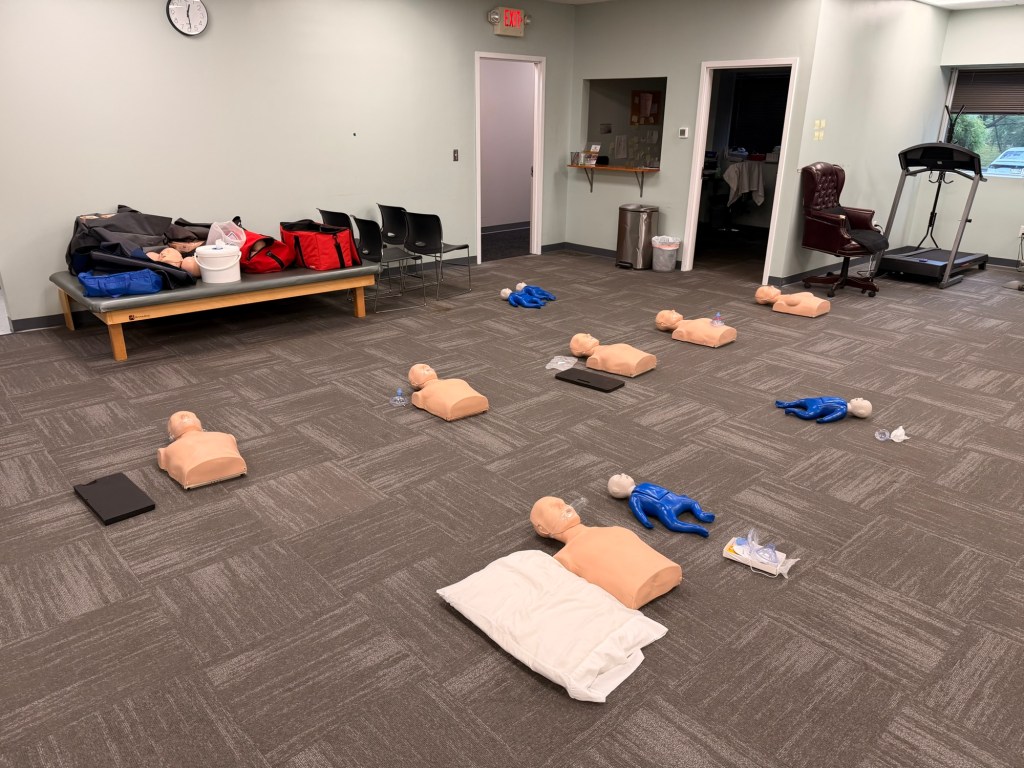
Choose a format that works for your schedule, and your requirements
We understand that students and working professionals have busy schedules. Convenience matters, but it should not come at the expense of completing the practical portion of your training.
Certifications For Life Inc. offers both blended learning, with online coursework followed by a short in-person skills session with a certified instructor, and the traditional instructor-led classroom format. Both options include a path to hands-on practice and skills assessment. The right choice depends on your schedule, learning preferences, and the requirements of the organization that needs your credential.
You can review course registration options and confirm course details before enrolling. If you have questions about which format or course level may fit your needs, contact our team.
Make the credential check before you commit
A CPR/AED course should do more than provide a completion record: it should prepare you to demonstrate the relevant skills and meet the requirements that apply to your role. Verify the provider, course level, hands-on assessment, and credential acceptance before registering.
Most importantly, remember that completing online coursework alone does not complete a blended certification, and an online-only course without hands-on practice and skills verification does not meet OSHA’s applicable workplace first aid/CPR requirements. When in doubt, ask your employer, academic program, or licensing authority first.
Justin


